Berol Karismacolor | The European Prismacolor Premier pencil
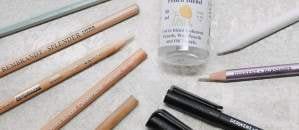
Though exact records are scarce, Karismacolor pencils are understood to have first appeared around the mid-1980s and soon became a staple among coloured pencil artists, particularly across the UK and Europe. Berol Karismacolor pencils were the European counterpart to the American Prismacolor range, distinguished by their natural wooden finish. A total of 129 colours were produced during the brand’s lifetime, offered through both sets and open stock options. As manufacturing moved to the USA and alternative brands gained traction, sales declined across Europe, ultimately leading to the pencils’ discontinuation in 2005. However, these pencils still surface on auction sites like eBay, often at premium prices.
Discover the fascinating history behind the beloved Karismacolor pencil through this comprehensive article. Drawing from a wealth of firsthand knowledge, meticulous research, and the expertise of a true pencil enthusiast, we have compiled an in-depth exploration of this iconic coloured pencil. Whether you were a Karismacolor consumer or simply curious about the rich heritage of this timeless pencil, our article is the ultimate online resource for all your Karismacolor-related inquiries.
We will endeavour to keep this page up-to-date as we come across new information. If you have any additional insights we could include in our article, please don't hesitate to contact us HERE.
Discover the fascinating history behind the beloved Karismacolor pencil through this comprehensive article. Drawing from a wealth of firsthand knowledge, meticulous research, and the expertise of a true pencil enthusiast, we have compiled an in-depth exploration of this iconic coloured pencil. Whether you were a Karismacolor consumer or simply curious about the rich heritage of this timeless pencil, our article is the ultimate online resource for all your Karismacolor-related inquiries.
We will endeavour to keep this page up-to-date as we come across new information. If you have any additional insights we could include in our article, please don't hesitate to contact us HERE.
Base: Wax |
Lead: Medium |
Colours: 129 |
Lightfast: Blue Wool |
Vegan: Unlikely |
Costs: £ - ££££ |
Manufacturing History and Colour Development
Although precise records are unavailable, Karismacolor pencils are believed to have emerged during the Empire-Berol period in the 1980s. Berol had acquired the Eagle Pencil Company in 1969, bringing the Prismacolor line under its ownership, and was later absorbed by Empire Pencil Corporation in 1986. This transition marked a shift in control, followed by the 1995 acquisition of Empire-Berol by the Newell Company, which placed the brand under its Sanford division. Prior to Sanford’s ownership, Karismacolor pencils were manufactured in King's Lynn, Norfolk in the UK; following the acquisition, production moved to the USA. Since Karismacolor pencils were designed specifically for the European market, the move to the USA seemed illogical and likely contributed to their demise. Despite the change in location, the product codes and colour names remained largely the same, with a handful of colours adjusted to match existing palettes.
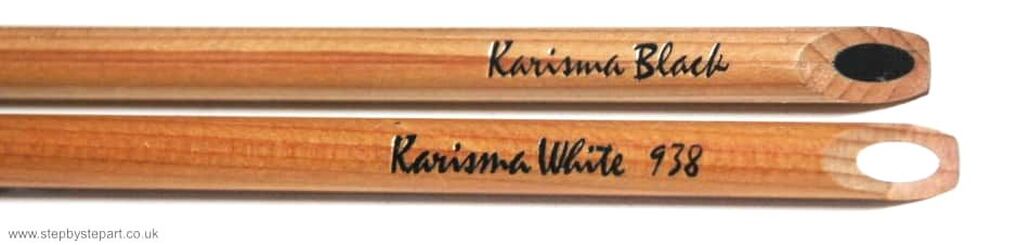
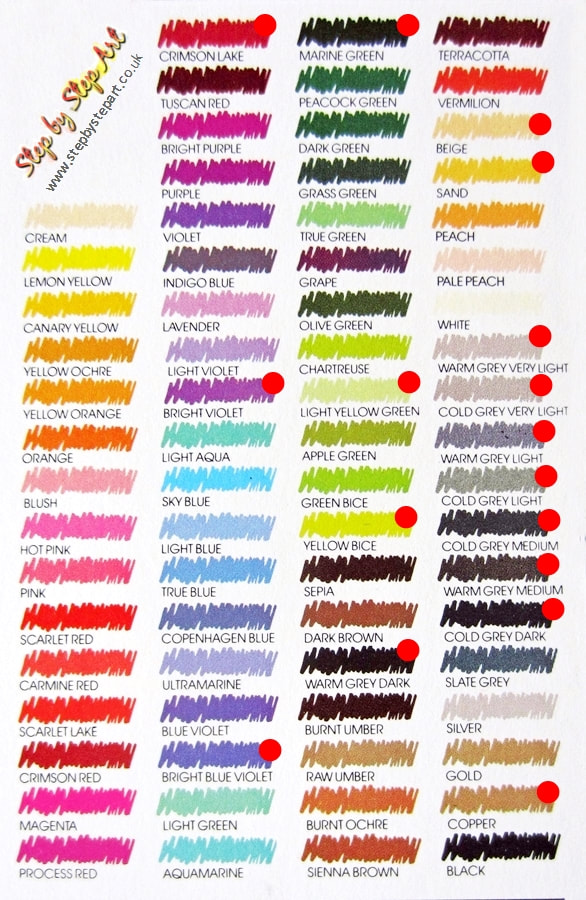
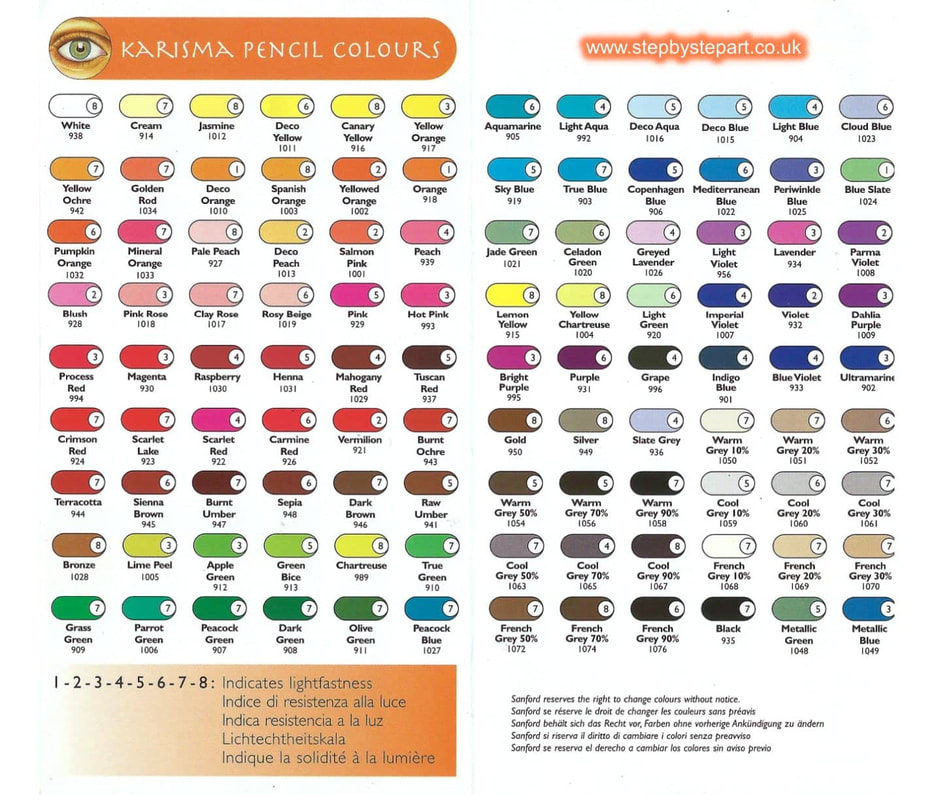
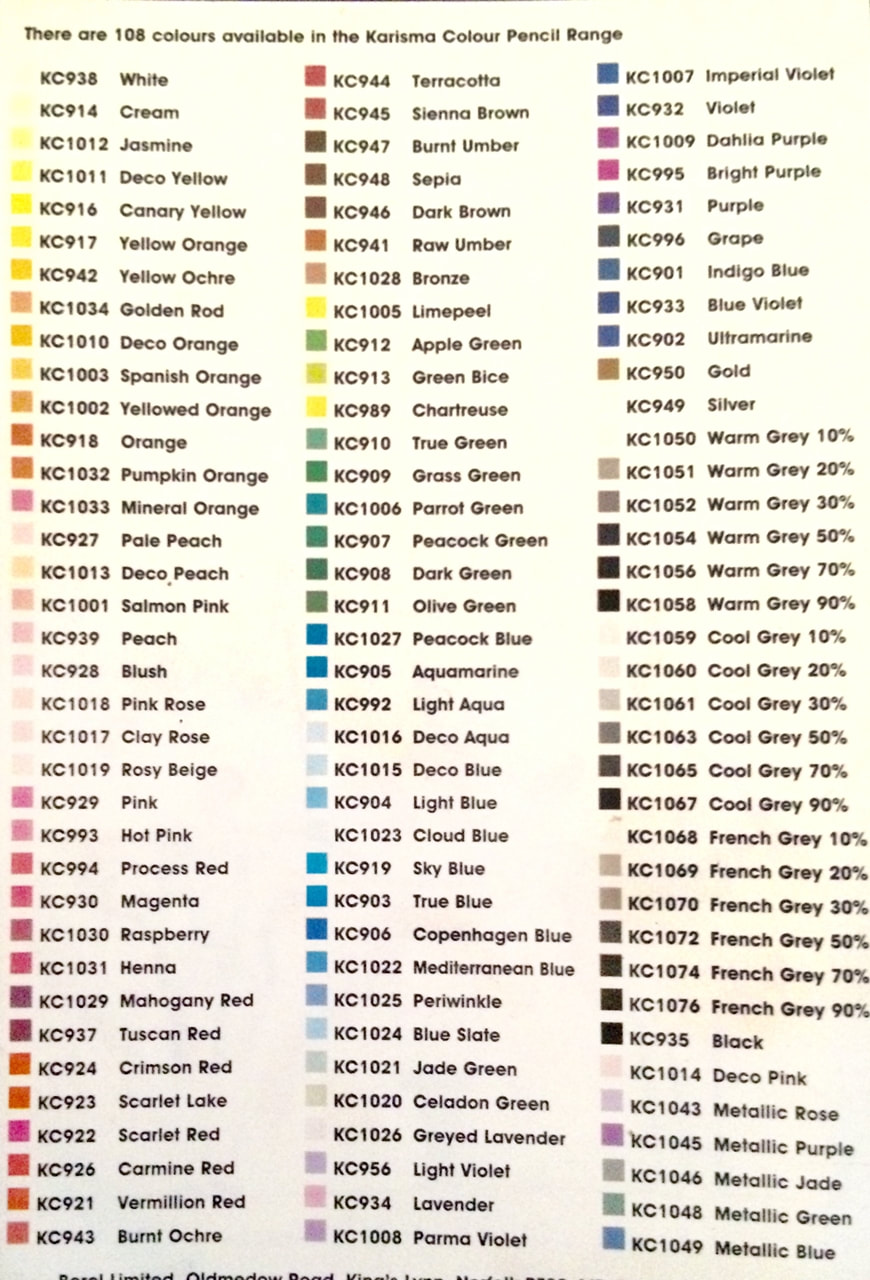
The Karismacolor range comprised 129 colours selected from the Prismacolor collection, which was known as 'Softcore' at that time, but originally came from the early Eagle Prismacolor colour range. While some colours were produced exclusively in the UK, and after the Sanford aquisition, some in the USA, as noted on the barrel of the pencils, their distribution across sets was inconsistent. Over time, multiple combinations of 108-colour box sets were released with at least three or four distinct mixes documented, and similar variation occurred in the 72-piece collections. All 129 colours existed in set form at some point, but 17 shades, noted on the early colour chart above, were included only briefly and now rank among the rarest. Smaller sets tended to have more consistency, though not absolute uniformity. The original 72-colour release did not include colour codes, but these were introduced later as the palette expanded.
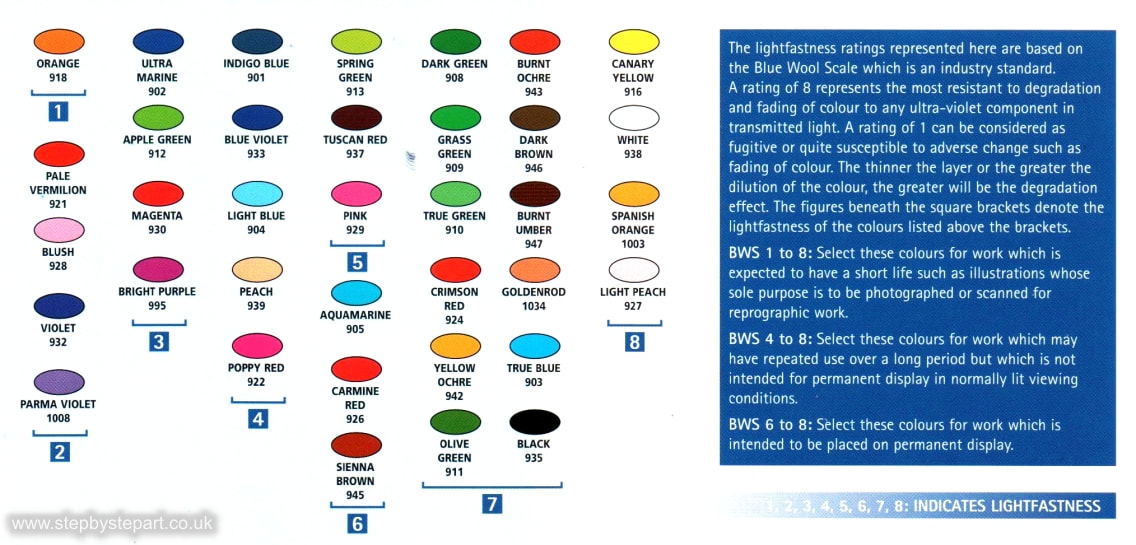
Although there were 129 colours made throughout the production period, they were only available commercially in a box set of 108. A full 129-colour set was never available, but open stock allowed artists to acquire the complete range individually. It's important to note that these pencils were exclusively manufactured in the UK at this time. The 17 discontinued colours, including eight grey shades, were briefly included in pencil sets, but less frequent than the other colours. As Prismacolor continued to expand their colour palette, a new collection of grey tones substituted the early grey palette, which can still be found in the Prismacolor Premier line today, as well as Crimson Lake, Marine Green, Sand and Beige. The above colour chart originates from the Sanford period, dating from 1995 onward. Notably, it includes lightfastness ratings, something absent from the original Karismacolor collection. Formal lightfast testing for coloured pencils began in 1991, so the earlier colours were not assessed that we know of, and no ratings were ever made available. The chart follows the Blue Wool Scale system previously used by Prismacolor, with ratings ranging from 1 (Poor) to 8 (Excellent).
After comparing the lightfast ratings of Karismacolor pencils to those of Prismacolor Premier, it was observed that the lightfast quality ratings of the Premier pencil range have remained relatively unchanged over the years. While some have improved, others have worsened. The Prismacolor pencils were initially graded using the Blue Wool Scale, also used for the Karisma pencils. However, the Premier pencils of today are rated using ASTM-6901, a more rigorous testing method for lightfastness, although not as precise as the Blue Wool Scale. Surprisingly, despite changing their rating method (which is very expensive), some lower ratings still exist. To compete with newer brands such as Caran d'Ache Luminance and Derwent Lightfast, it would be natural for Prismacolor to improve the lightfast qualities of their pencils, especially since they are popular among coloured pencil artists. However, Prismacolor may prefer to keep the lightfast ratings inconsistent on some of their colours, so they can keep their prices affordable and accessible to more artists.
Berol Karismacolor: Are These Discontinued Pencils Really Gone Forever?
While these pencils were discontinued in 2005, they haven't entirely vanished from the market. Auction sites, particularly eBay, present the most likely opportunity for locating them. You might occasionally snag a bargain, but be prepared for prices that can easily run into hundreds of pounds. Should someone list a pristine, unused original 72-set, especially if it includes the rarer, unnumbered colours and comes in its original, unmarked box, it could command upwards of £1,000. These highly sought-after sets are true collector's items, and people are prepared to pay high prices. We've even seen a single pencil fetch nearly £30.00, despite being a third used.
This comprehensive article shares all the information we've diligently gathered about Karismacolor pencils. But we want to go a step further by providing links to sellers. For those seeking individual pencils, there are currently a couple of sellers on eBay selling old stock from a vintage craft supply clearance. Some rare colours are available, so it's worth checking out. They are both based in the UK and only ship within the UK. Note that the links will be removed once the stock is sold. We are not affiliated with these sellers; our aim is simply to provide those interested in buying these pencils with the opportunity to do so.
Exploring the Karismacolor Palette:Variations and Rarities
This section explores the Karismacolor palette, including discontinued shades. Although often overlooked, Karismacolor pencils belong to the same range as Prismacolor, originally developed for the European market. The Prismacolor name was already in use in the UK, prompting the creation of the Karismacolor brand. Notably, many Karisma colour codes correspond directly with today’s Prismacolor Premier equivalents, the numbering remains consistent, but the prefix differs: KC for Karisma and PC for Prismacolor. That said, it’s unlikely that the quality of current Prismacolor Premier pencils reflects the same standard as the original Karismacolors. Manufacturing changes over time, often driven by cost-saving measures, have affected consistency. A more useful comparison would be between older and newer Prismacolor releases.
When looking at the colour codes on the Karisma colour pencils, you will note some gaps. These gaps exist for a few reasons: some specific colours were exclusive to the Prismacolor line, which, first manufactured in 1938, would have seen some discontinuations of its own over the years and so, never produced for Karisma, while other colours were simply discontinued. When the Karismacolor range expanded from 72 to 108 colours, certain shades from the initial 72-set were removed. Beyond those gaps, 21 colours were discontinued from both the Karisma and Prismacolor ranges. However, those marked with a star (*) are still available in the Prismacolor Premier line today. These discontinued shades include:
Companies discontinue colours for various reasons: low consumer demand, shifts in market trends towards alternative hues, an excess of comparable colours in the range, pigment discontinuation, or safety concerns leading to pigment replacement. Interestingly, some previously discontinued colours have even been reintroduced due to changes in market demand over time.
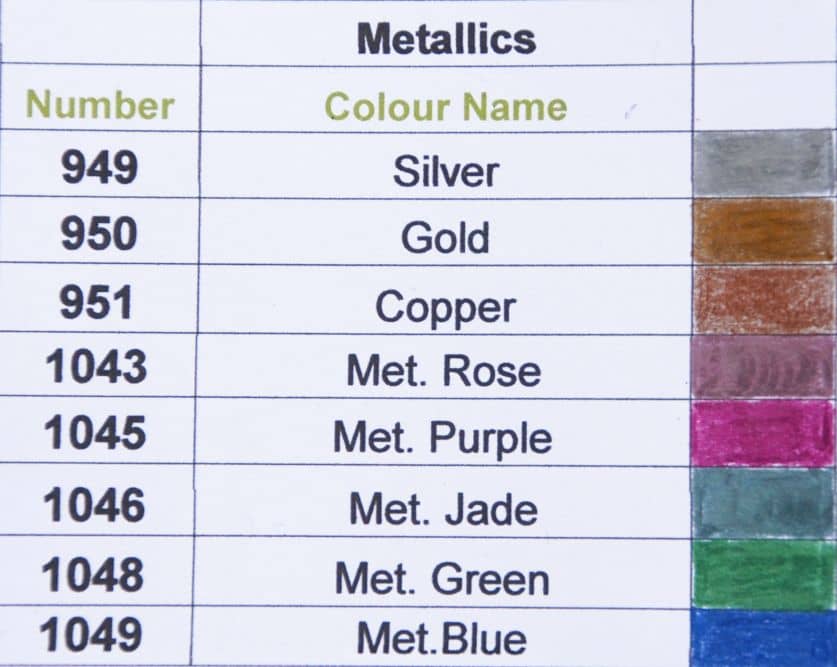
- Metallics: Copper (951), Jade (1046), Purple (1045), & Rose (1043)
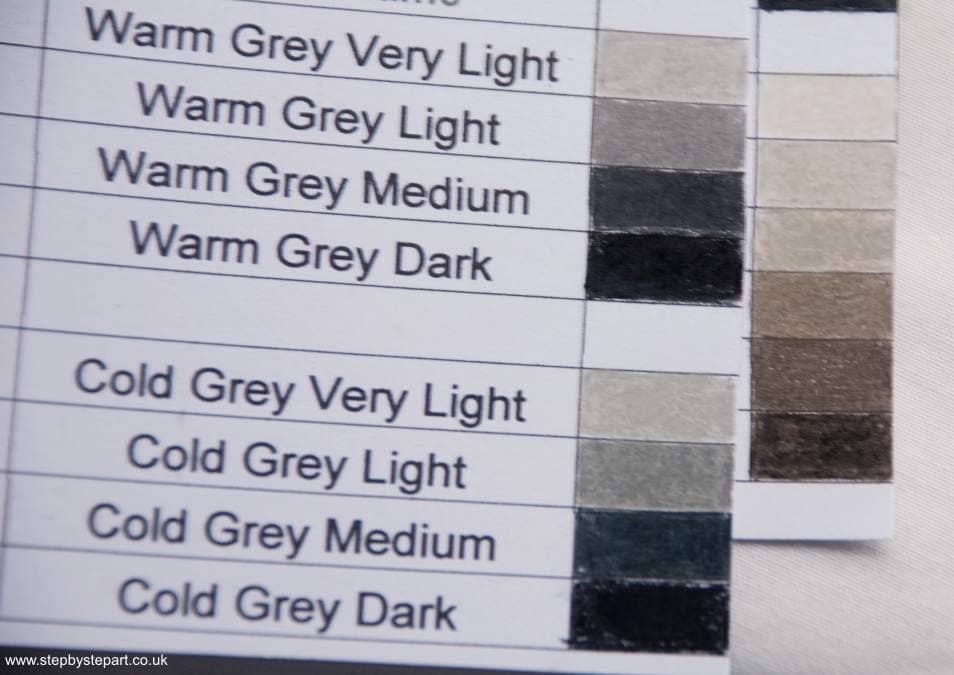
- Warm Greys: Very Light (964), Light (963), Medium (962), & Dark (961)
- Cold Greys: Very Light (968), Light (967), Medium (966), & Dark (965)
- Individual Colours: Sand* (940), Deco Pink* (1014), Light Yellow Green (991), Yellow Bice (990), Crimson Lake* (925), Marine Green* (988), Beige* (997), Bright Violet (998), and Bright Blue Violet (999).
Companies discontinue colours for various reasons: low consumer demand, shifts in market trends towards alternative hues, an excess of comparable colours in the range, pigment discontinuation, or safety concerns leading to pigment replacement. Interestingly, some previously discontinued colours have even been reintroduced due to changes in market demand over time.
The Greys: Old vs. New
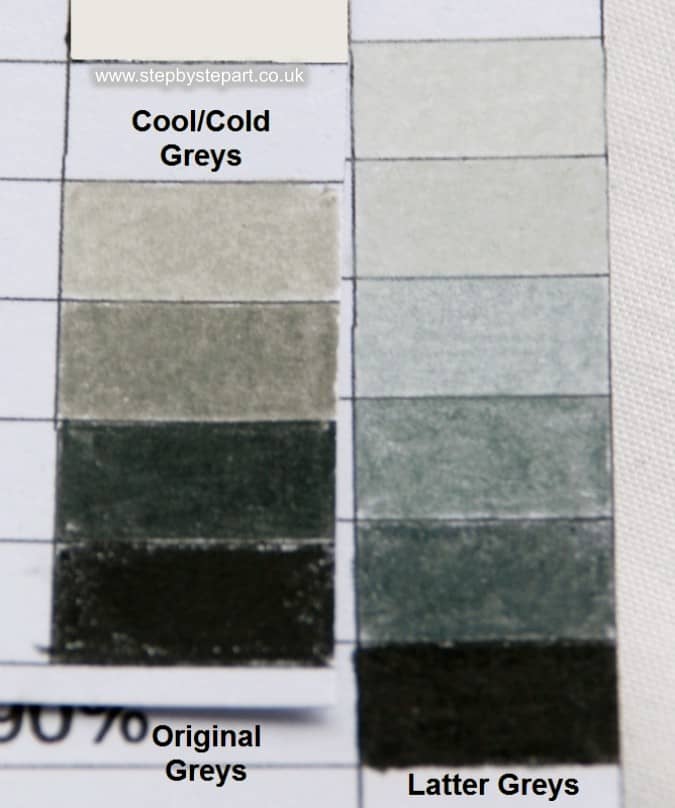
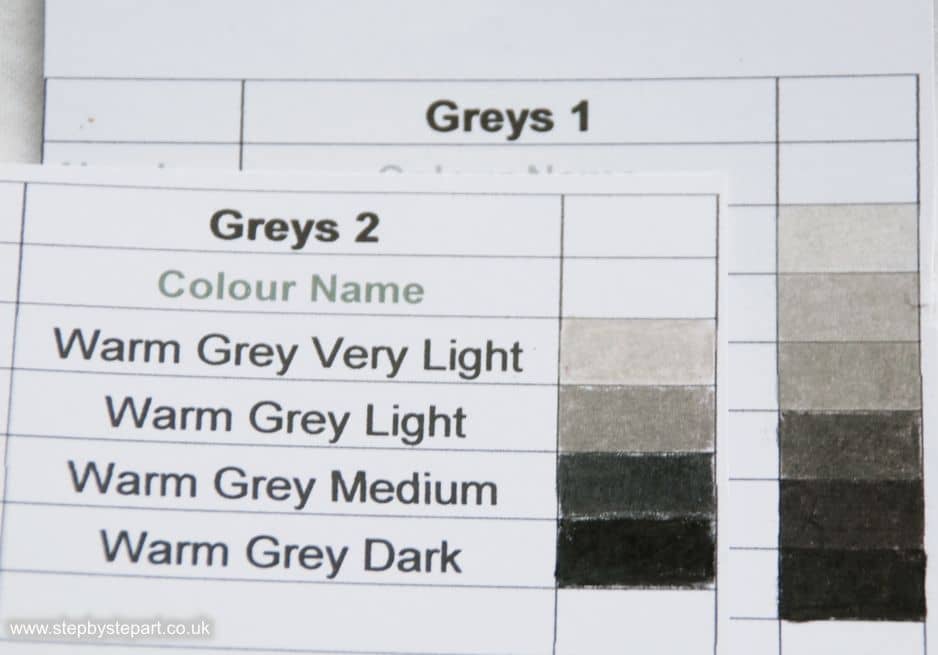
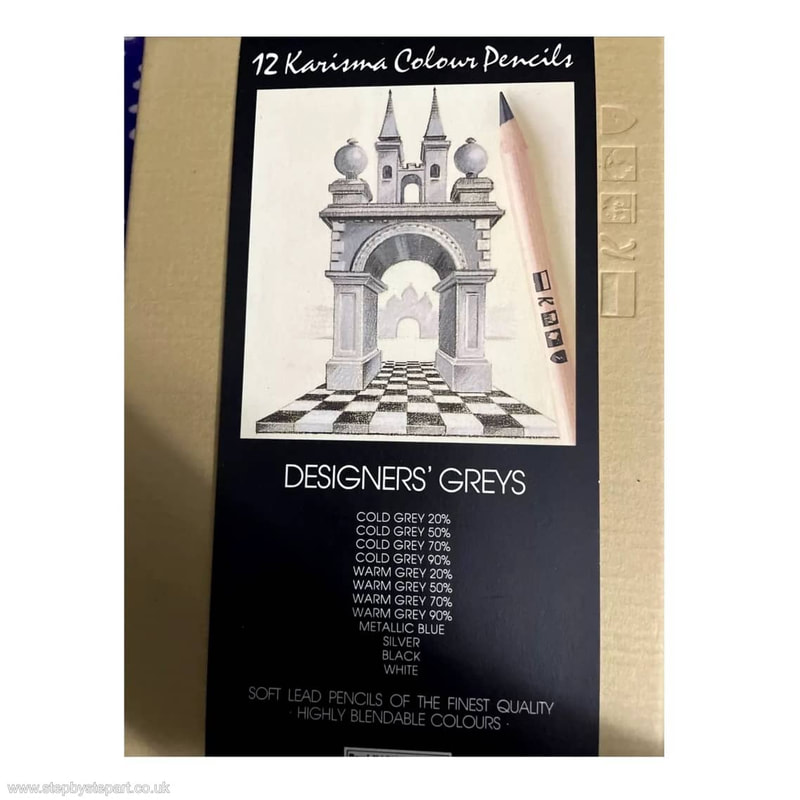
The grey pencils in the original 72-set of Karismacolor fell into two distinct ranges: Warm Greys and Cold Greys, each with four grades – Dark, Medium, Light, and Very Light. Later sets introduced French Greys, expanding the grades from four to six, which were then replaced by percentages: 10%, 20%, 30%, 50%, 70%, and 90%. Additionally, the "Cold" grey range was rebranded as "Cool." These newer grey pencils also featured different code numbers and distinct pigments compared to their predecessors.
While warm grey tones show only slight differences and can be comfortably arranged together in a colour chart, the same isn't true for the cool/cold greys. The earlier cold greys possessed a warmer hue compared to the later percentage-based cool greys, which have a blue undertone. Although we've organised them equally for display purposes, earlier warm shades could be placed between the later percentage tones.
For instance, you might align them as follows: 1050, 964, 1051, 1052, 963, 1054, 962, 1056, 1058 and finally 961, which is almost black.
Comparable Pencil Brands to Karismacolor Today
Karismacolor versus Prismacolor
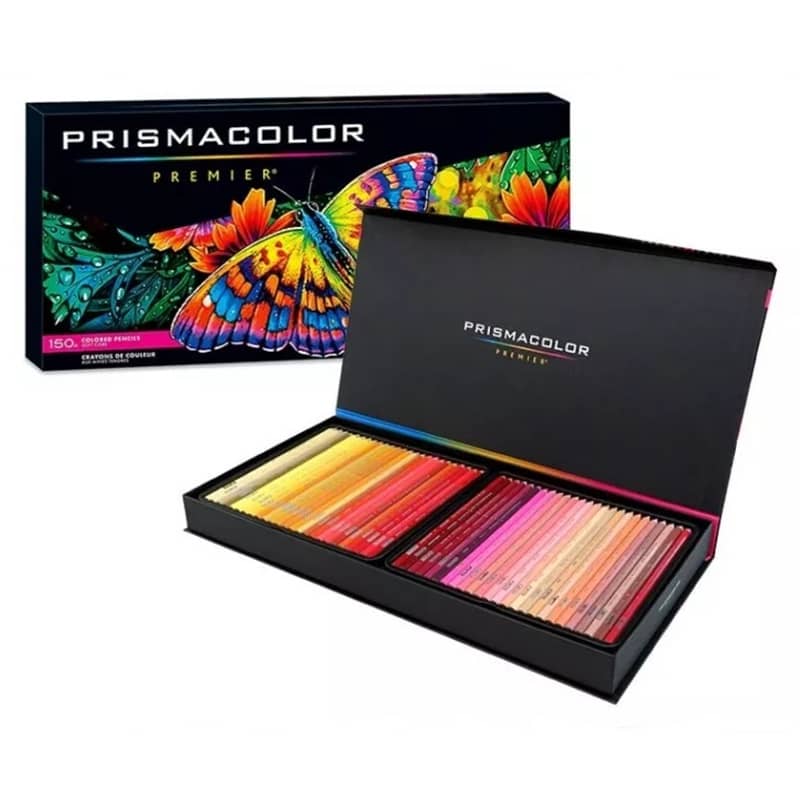
Karismacolor pencils were originally developed for the European market as part of the Prismacolor family. They share the same formulation as Prismacolor Premier pencils, making the Premier range a reliable source for matching Karisma colours. While the majority of Karismacolor shades remain available in the Premier line, a few hues have been discontinued or renamed over time. As Prismacolor is a US-based brand, access to its products can be more limited in the UK, particularly for individual open stock pencils. Click the image to read our Prismacolor Premier article.
Karismacolor versus Caran d'Ache Luminance
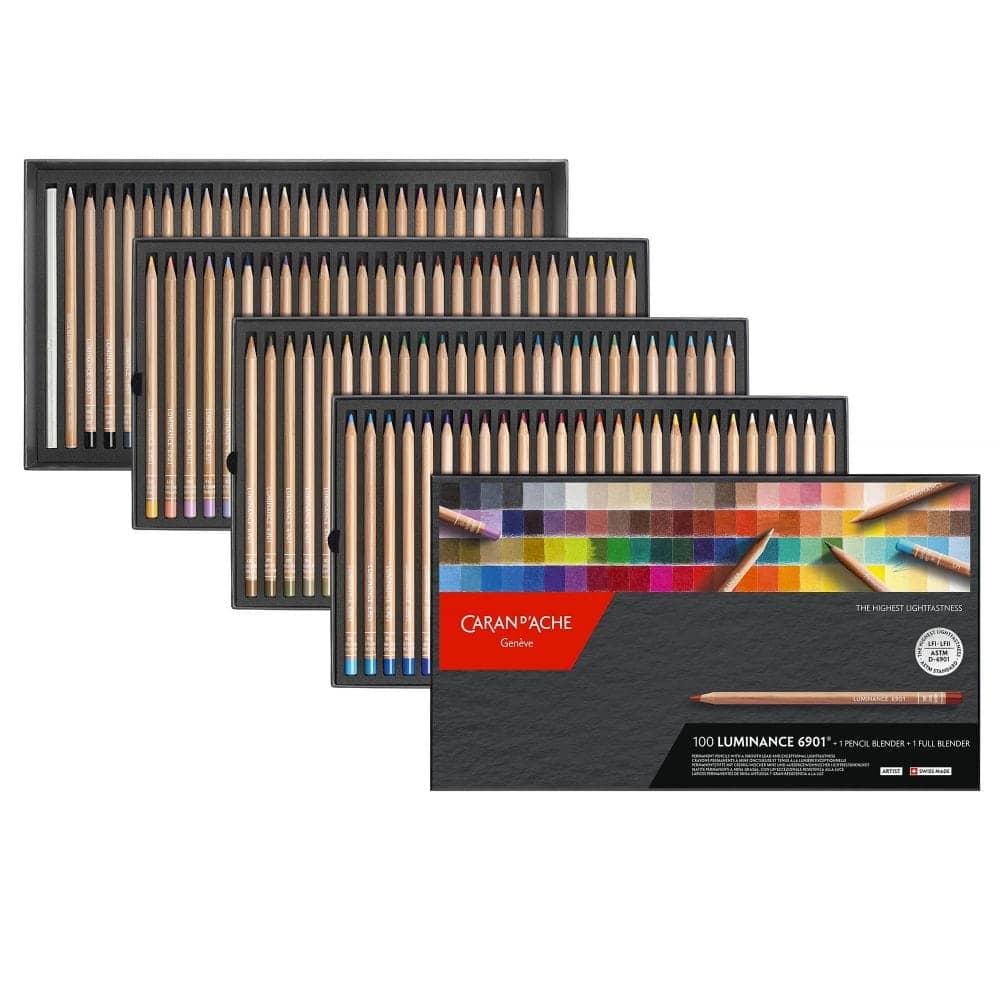
Both Karismacolor and Caran d’Ache Luminance pencils feature a rich, creamy core that blends smoothly and handles layering with ease. In terms of feel, Luminance pencils are among the closest contemporary equivalents to Karismas. However, where they truly stand out is in their superior lightfastness. Most Luminance shades are rated between 7 and 8 on the Blue Wool Scale, offering significantly greater resistance to fading over time compared to many Karisma colours. Click on the image to visit the Luminance article.
Karismacolor versus Derwent Lightfast
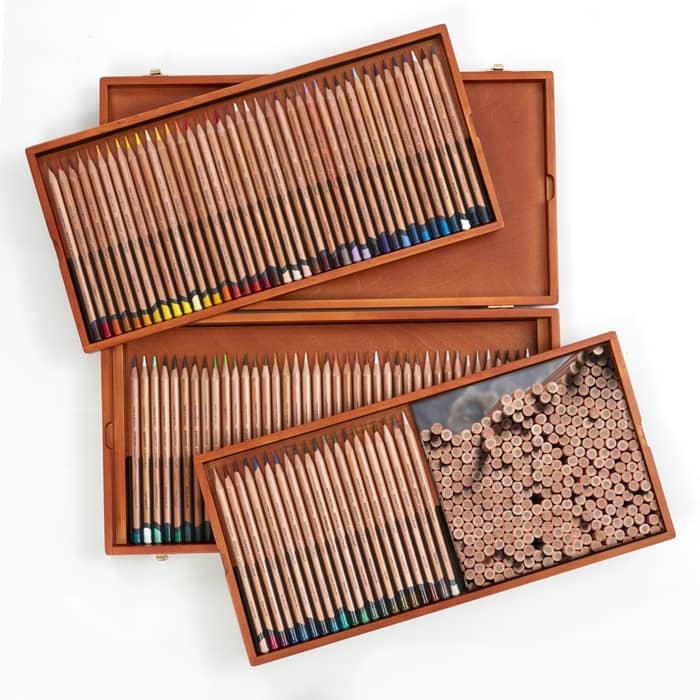
Derwent Lightfast Coloured Pencils offer a nice alternative to Karismacolor, especially for artists seeking an oil-based pencil with dependable lightfastness. While they feel slightly drier in application compared to Karismas, they compensate with strong pigmentation, many hues appear richer and more saturated, particularly in the mid-tone and earth ranges. Produced in the UK, Derwent Lightfast pencils are easy to source from art suppliers globally, making them a practical option for artists looking to replace or expand upon their Karisma collection. For an in-depth look at this range, click the image to visit our full article below.
The Japanese KarismacolorIt’s worth clarifying that the Karismacolor pencil sets sold today and found on eBay, are not the same as the original version discussed here. Prismacolor still owns the Karismacolor brand, but has apparently licensed the name to a third party for use in Japan. These pencils are produced in Japan and are manufactured separately from the Prismacolor range. As a result, performance and colour consistency are likely to differ from the legacy Karisma line.
|
Karismacolor: Presentation, Design and Visual Branding
Design & Packaging Styles
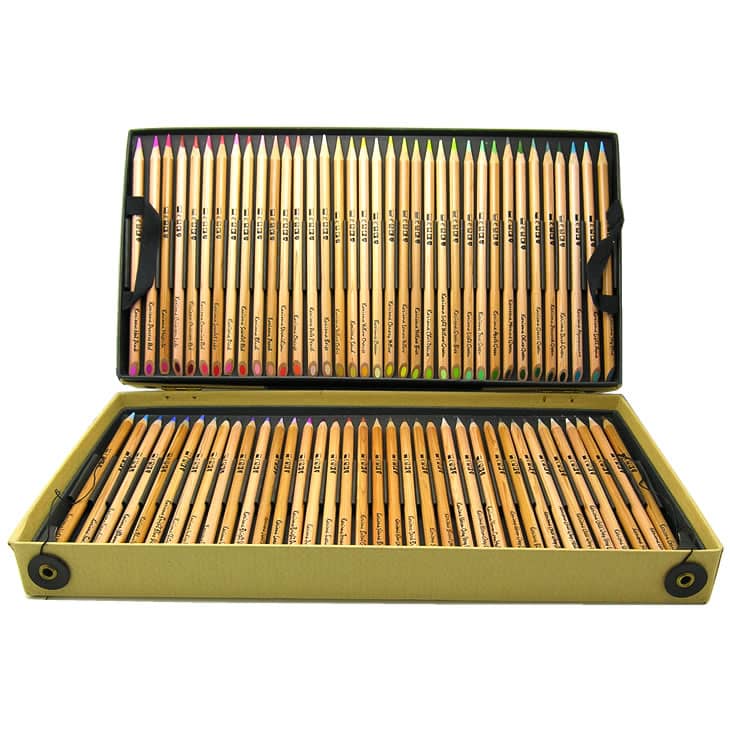
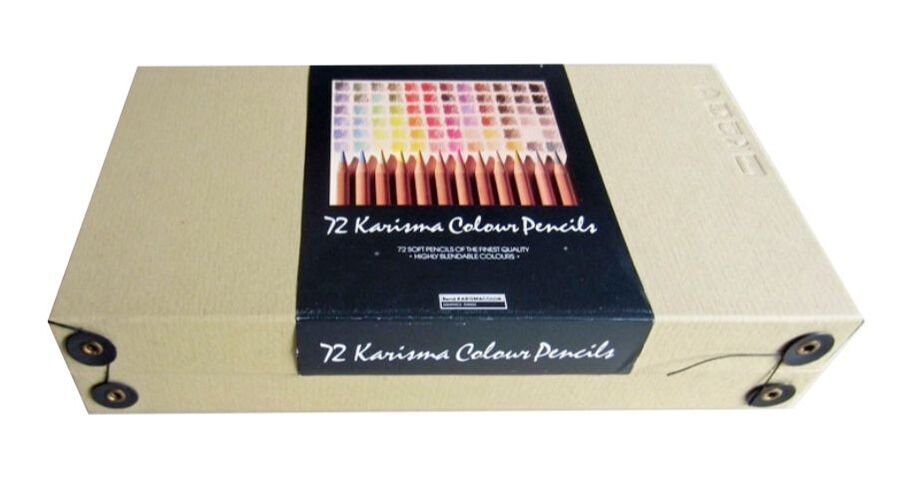
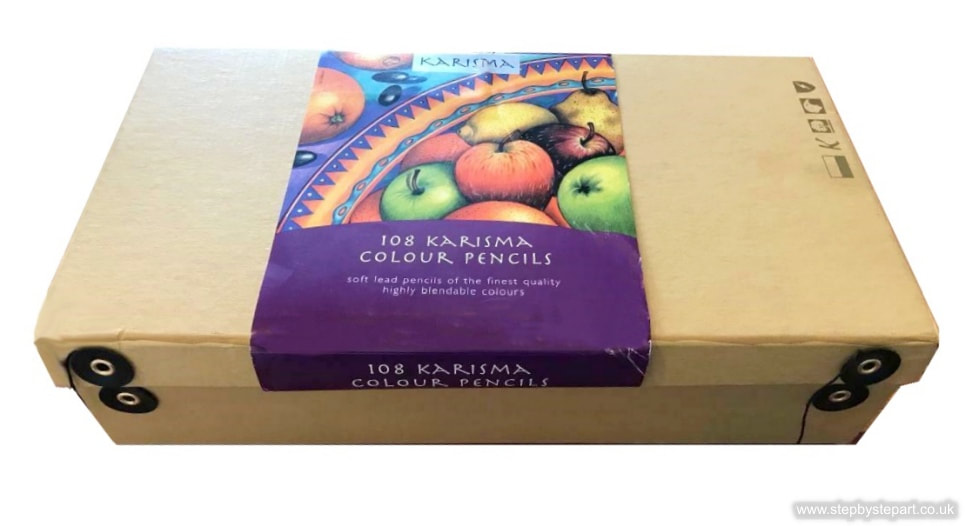
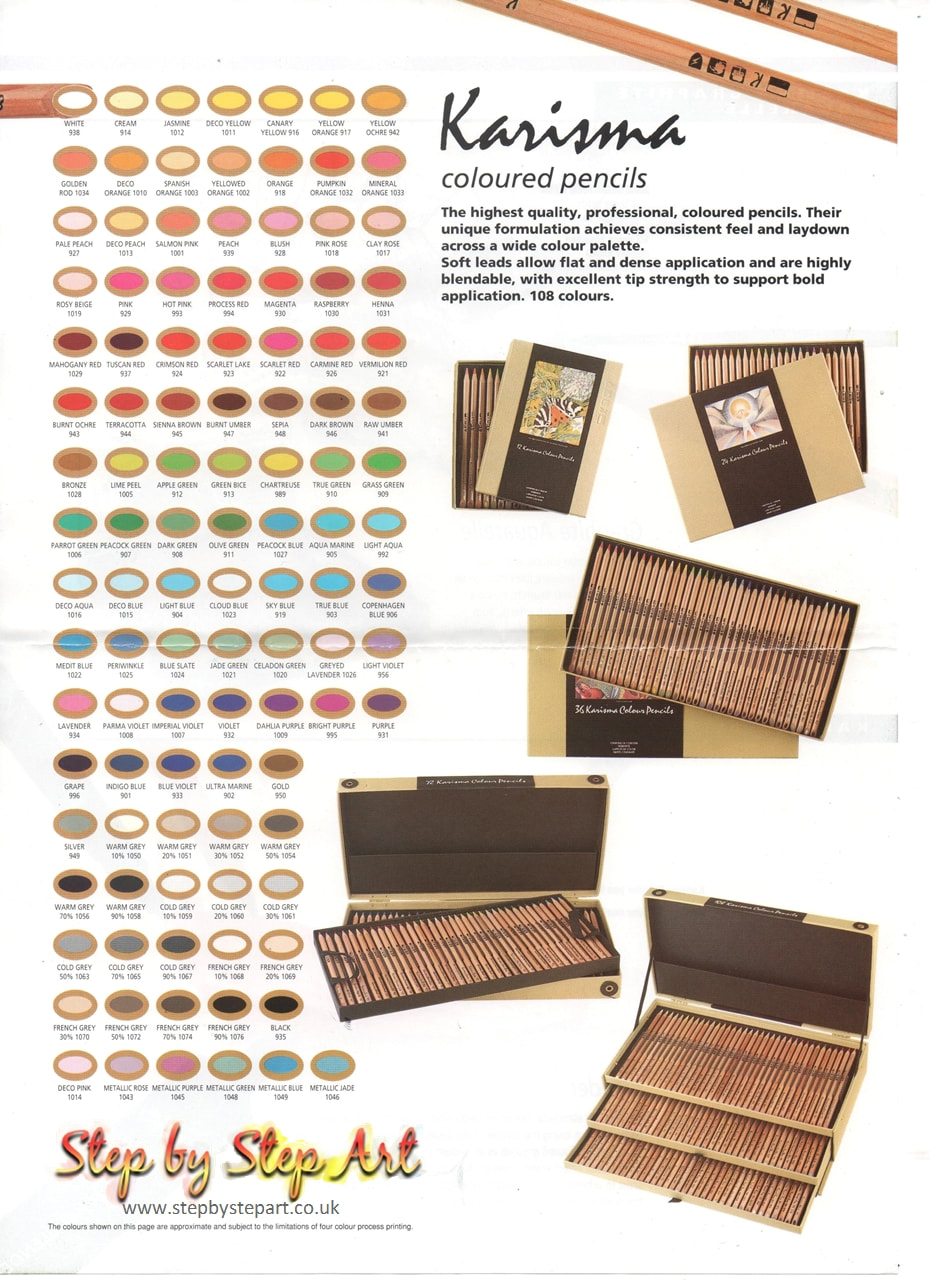
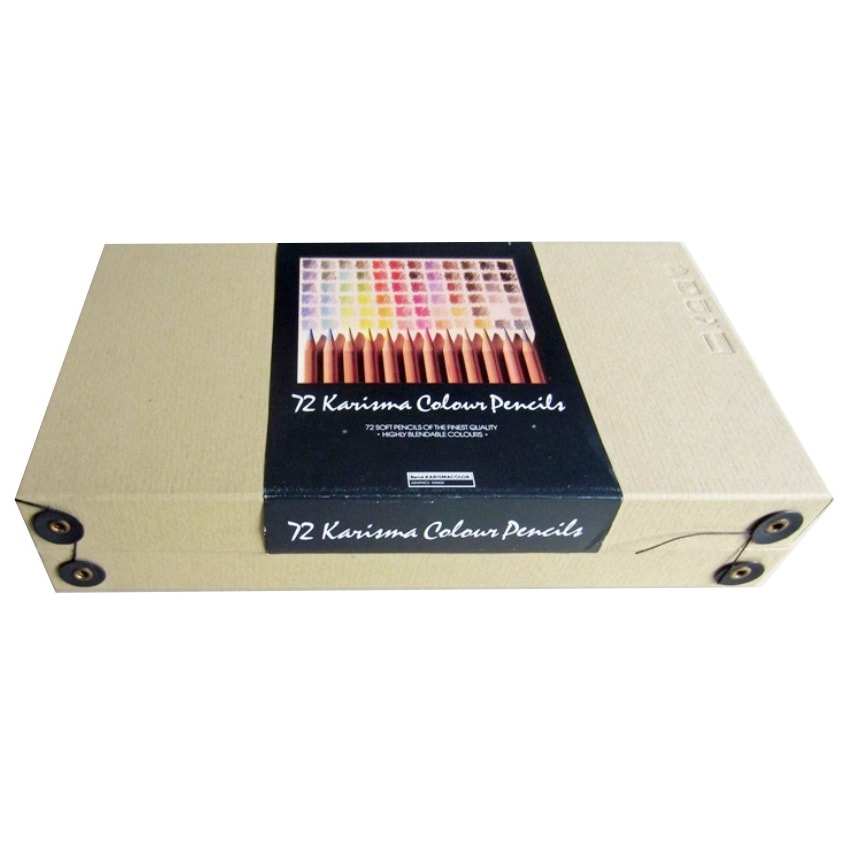
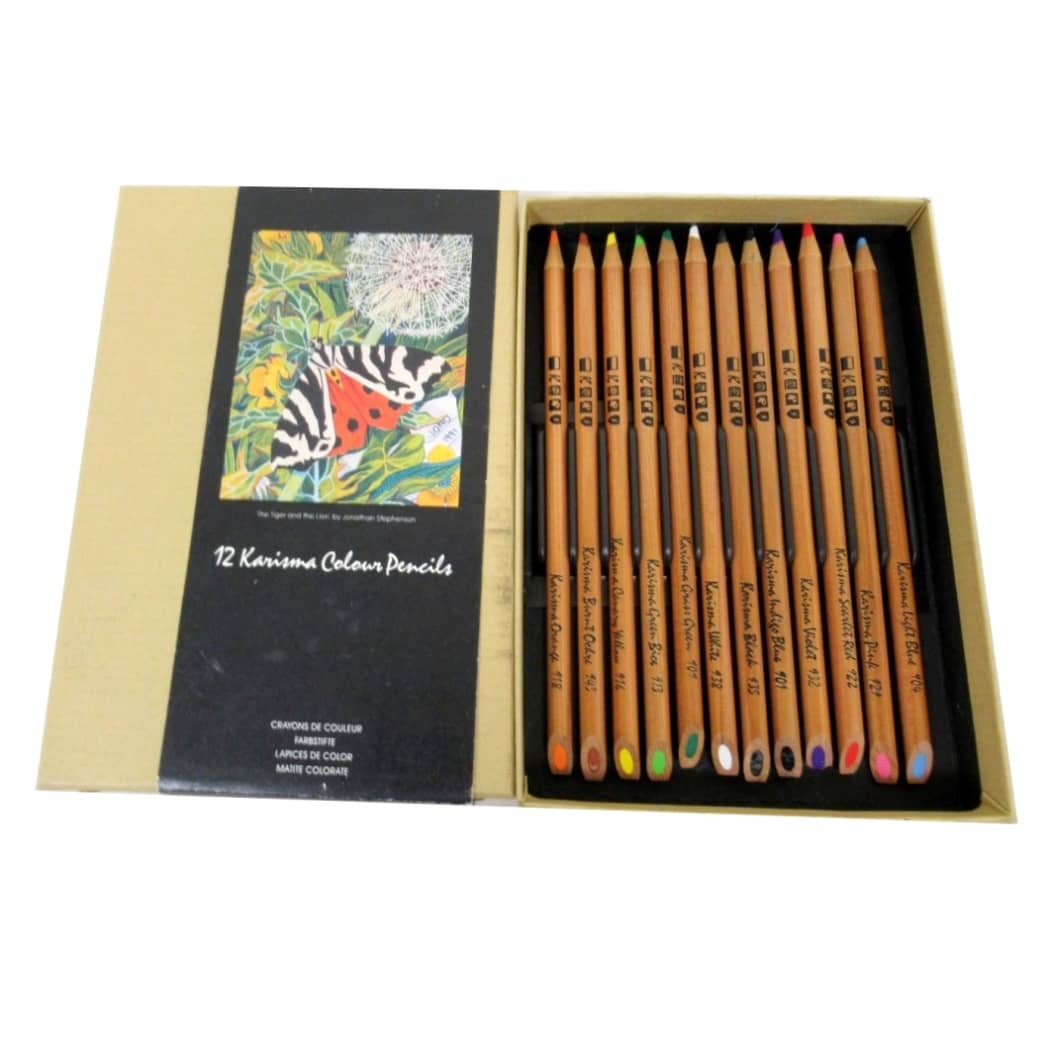
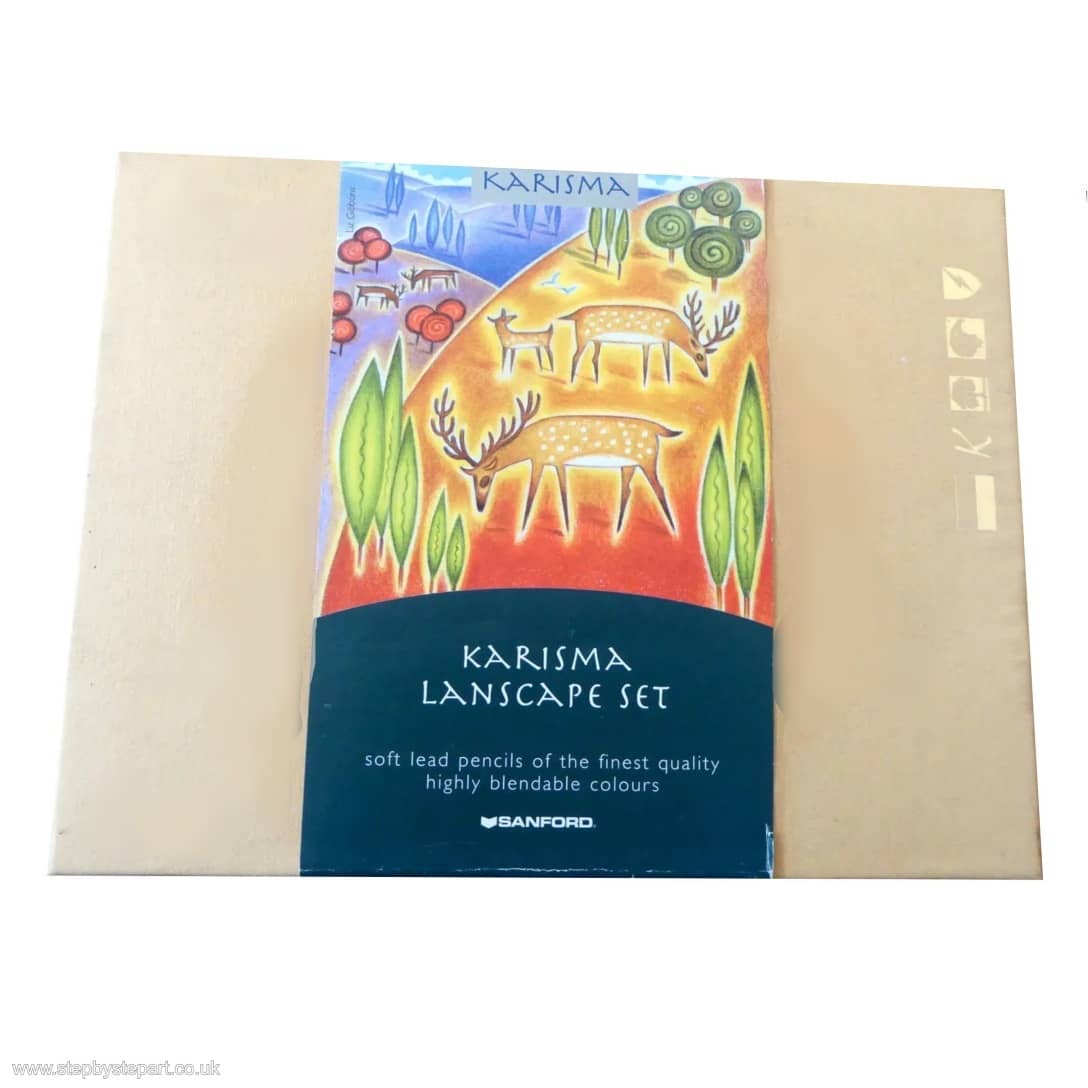
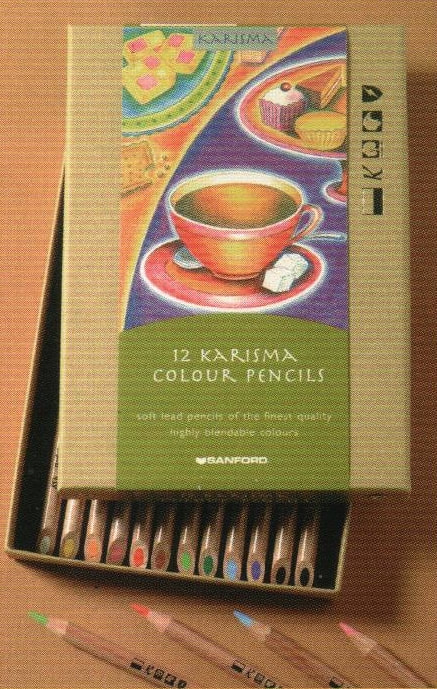
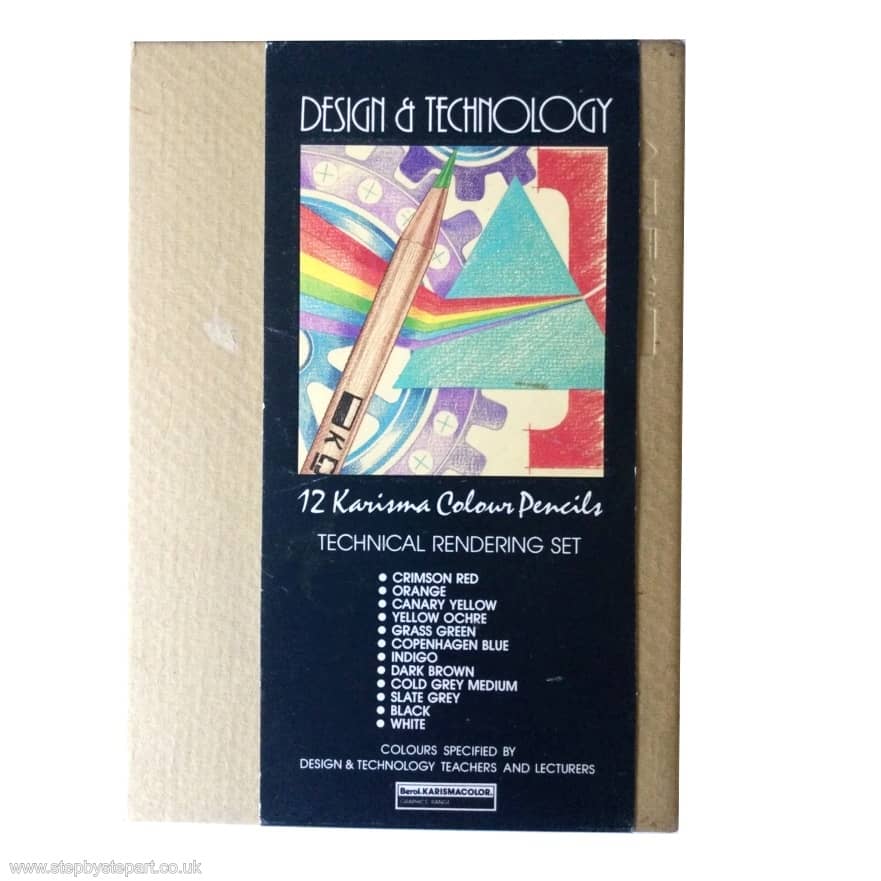
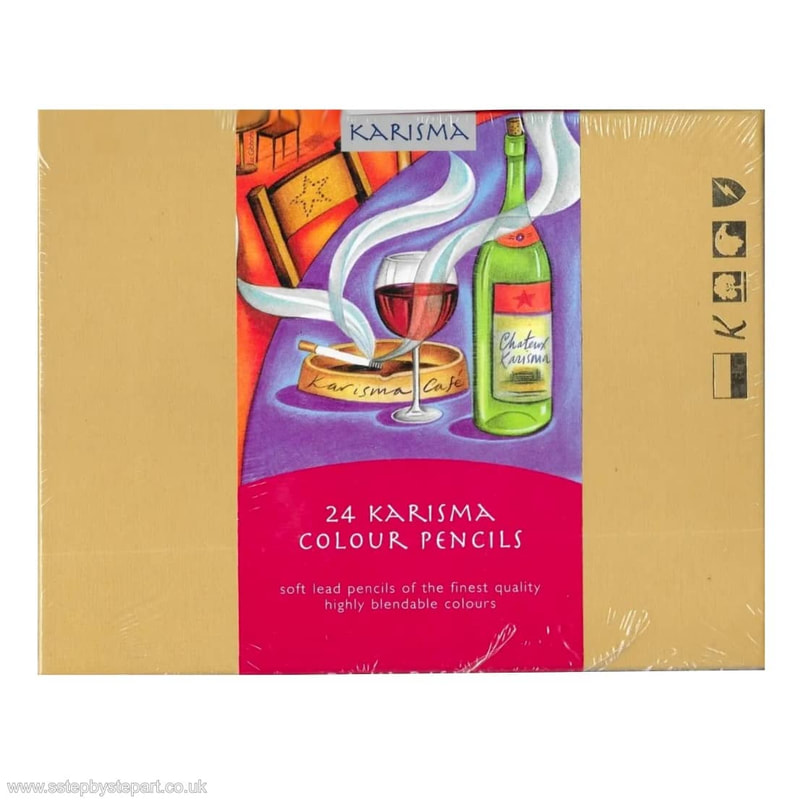
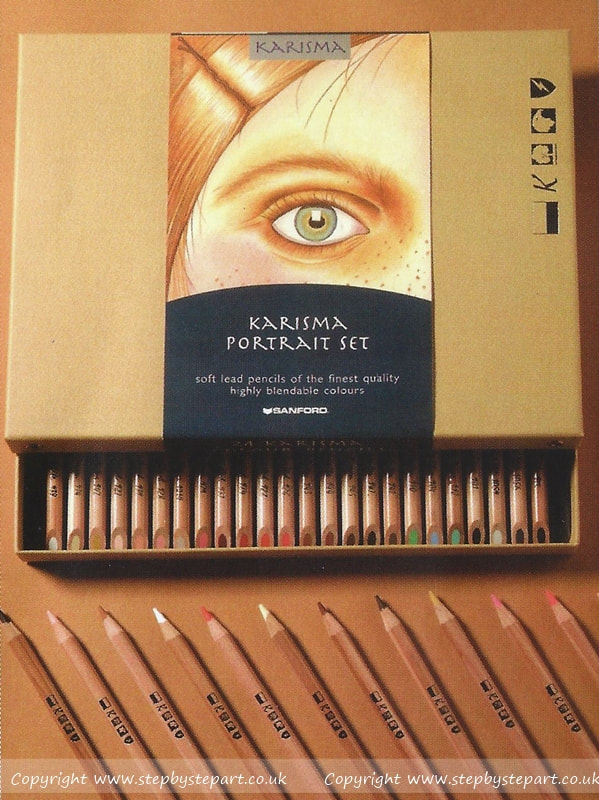
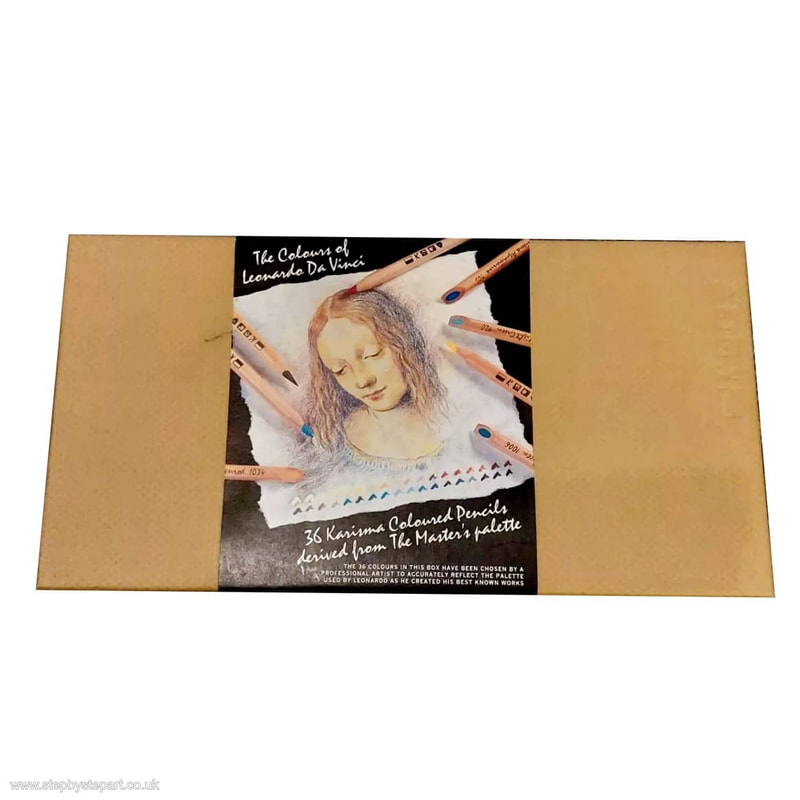
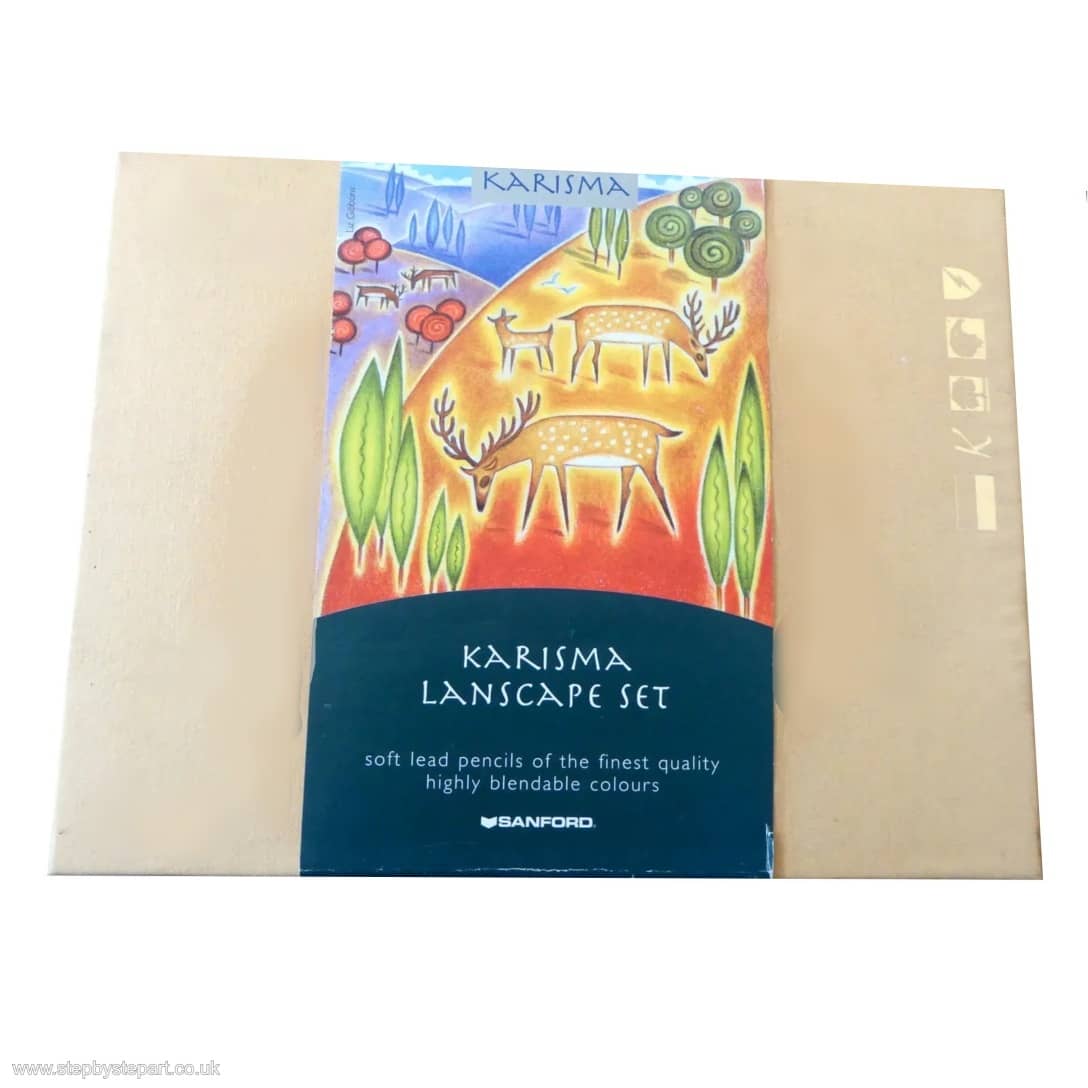
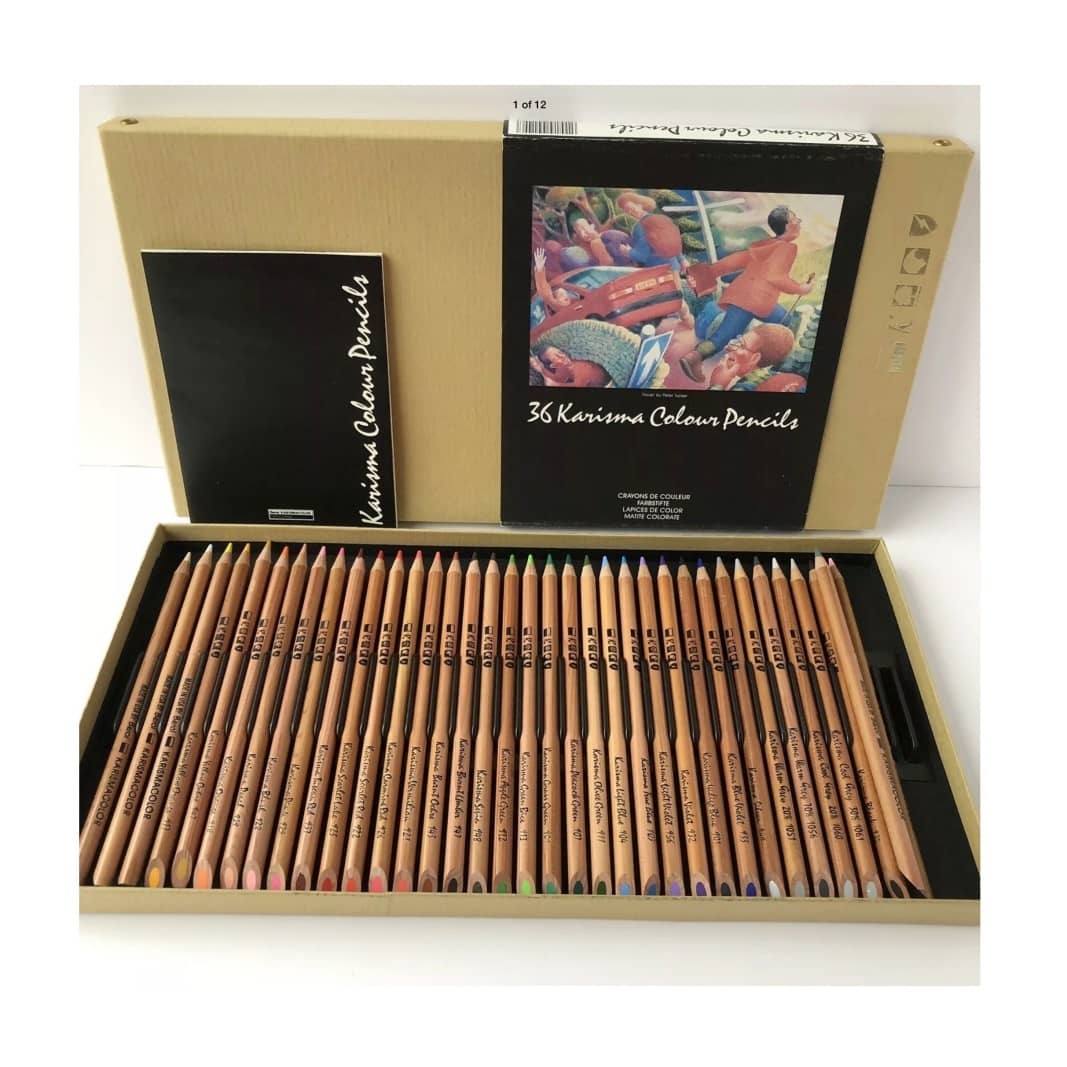
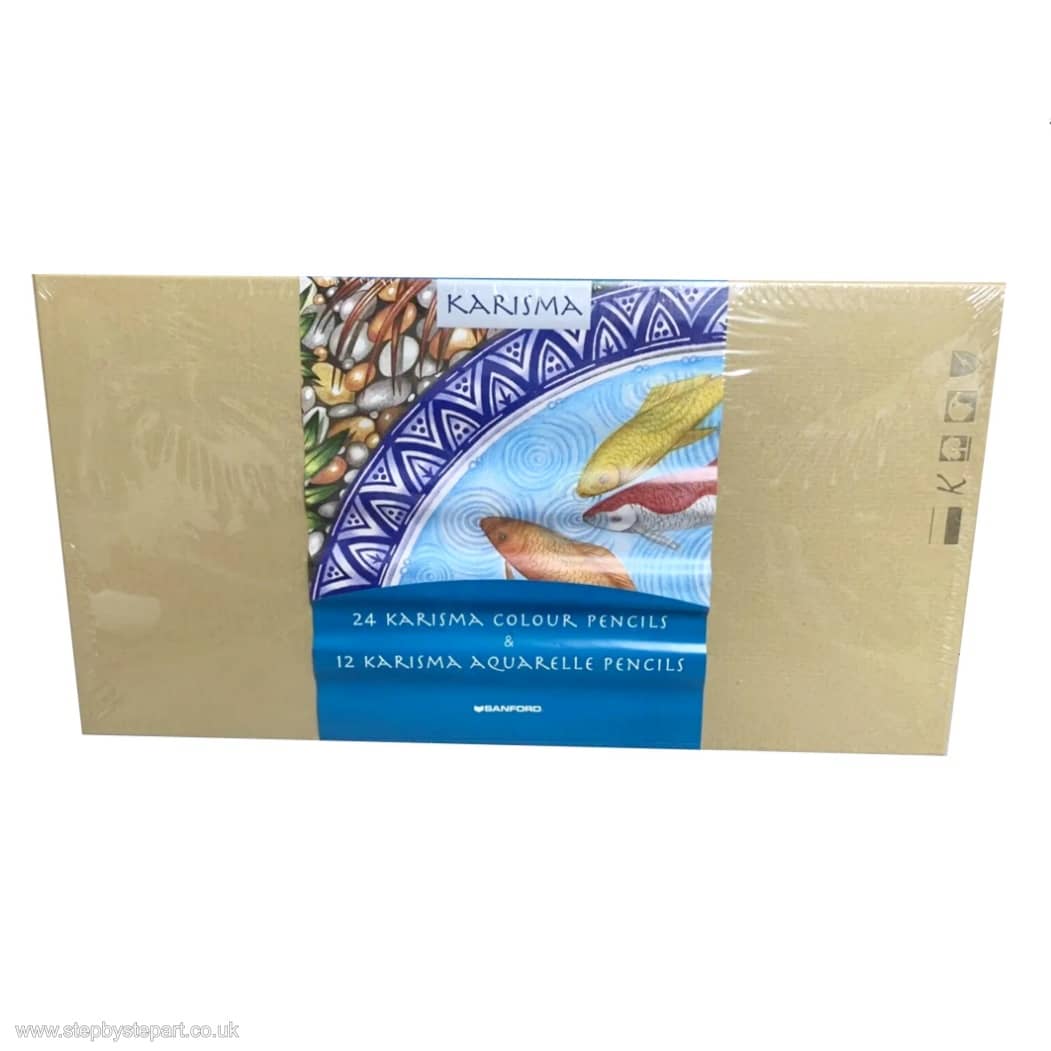
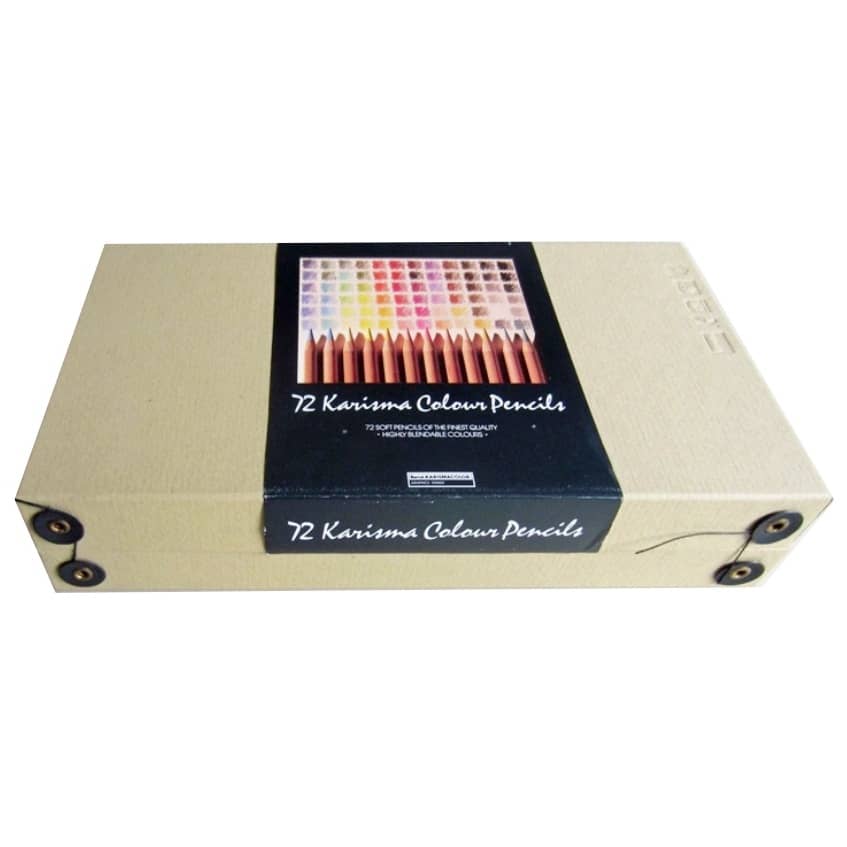
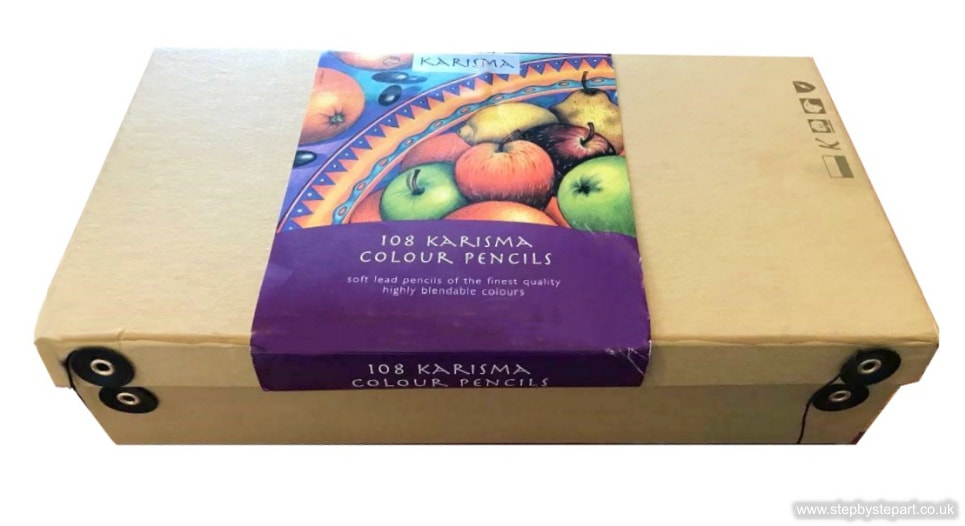
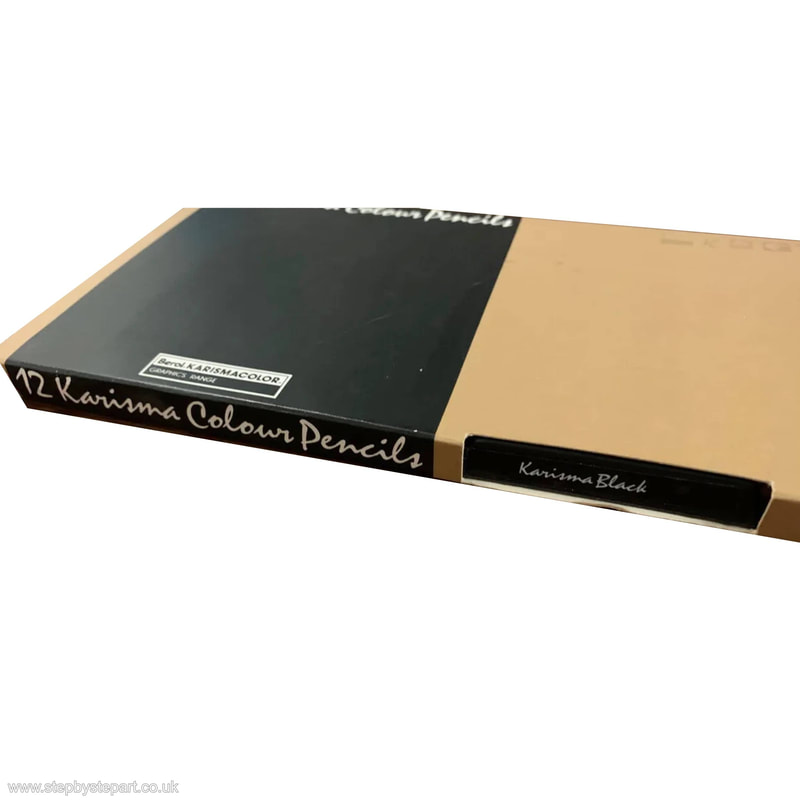
Karismacolor pencils were originally packaged in distinctive beige-coloured boxes and available in a variety of set sizes, including 12, 24, 36, 72, and the full 108-colour collection. Alongside the standard ranges, the brand also released themed sets tailored to specific subjects or styles, such as the Portrait and Van Gogh collections, which featured curated colour selections suited to skin tones and expressive natural palettes. Another notable release was a 36-pencil mixed set that included 12 water-soluble pencils from the Aquarelle line (discussed further down this page), offering artists the flexibility to explore both dry and wet media techniques. The gallery below includes a visual archive of these box and branding styles, highlighting key differences between earlier and later illustrative designs.
Design Transitions Throughout Production
Over the course of Karismacolor’s production, visual updates were introduced to reflect shifting market appeal, branding transitions, and creative input from collaborating artists. This sequence of changes is explored in the sections below.
Original Design RolloutAll Karismacolor sets featured this core design style. We believe the first releases were multi-colour standard sets in quantities of 12, 24, 36, and larger. Specialised sets for themes like portraits and landscapes appear to have been introduced later, likely aligning with a broader design revision phase.

|
Artist-Curated DesignsThe revised designs incorporated distinctive illustrations, each created by artists known for working with Karismacolor pencils. Notable contributors included Peter Tucker and Jonathan Stephenson, whose artwork brought subject relevance and professional context to the front of each package.
|
Sanford-Era DesignLater designs were bold and characterful, with each set featuring unique artwork and an updated typographic style for clearer readability. This shift in presentation was introduced following Sanford’s acquisition of the brand and contributed to a more modern visual identity across the product line.
|
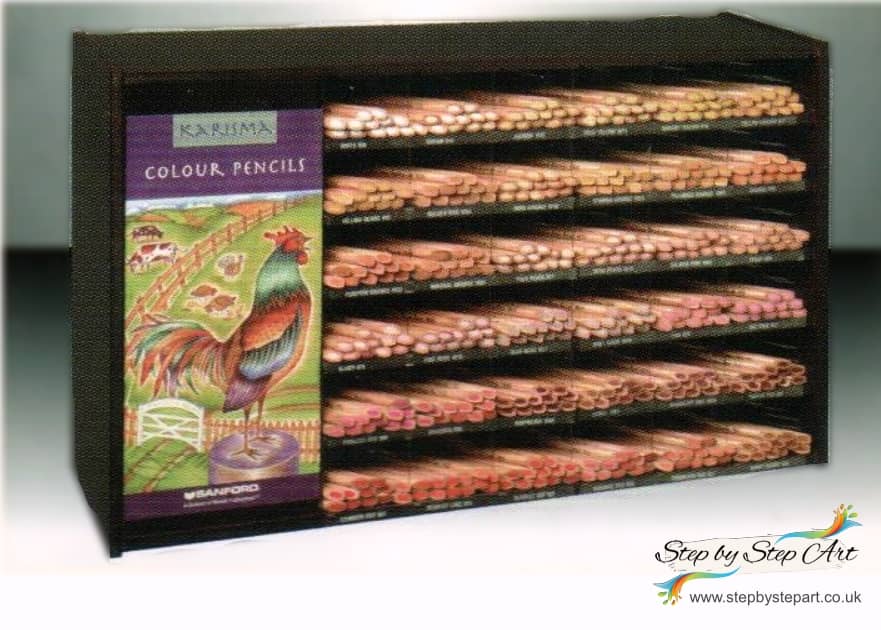
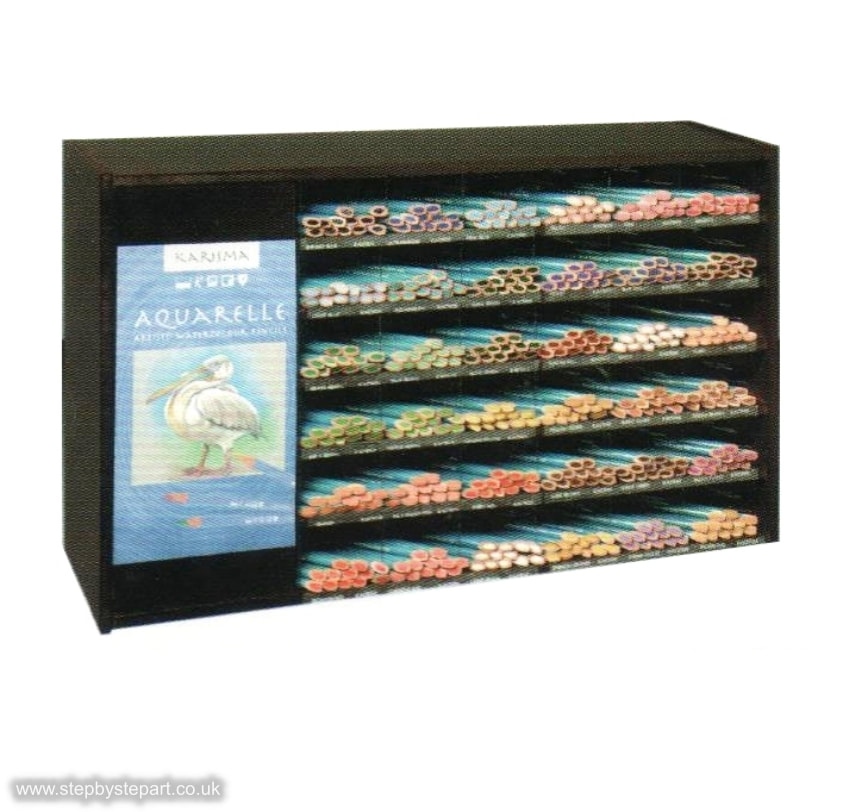
Karismacolor Countertop Display UnitOn 2 November 1995, the Newell Company acquired the Berol Corporation, integrating it into its Sanford division. This merger effectively made Berol a subsidiary under Sanford, and the Sanford name was subsequently added to Berol products. Although Berol no longer operates as an independent company, the brand name continues to be used in the UK and Canada.
The countertop display pictured here is a vintage retail fixture designed for art shops to showcase Karismacolor pencils for sale. We vividly remember admiring the full open-stock range via a unit like this at our local art store, named 'A for Art'. Based on collective memory, individual pencils were likely sold at around £1.60 to £1.70 each during the 1990s. |
Decoding the Symbols on Karismacolor Pencils
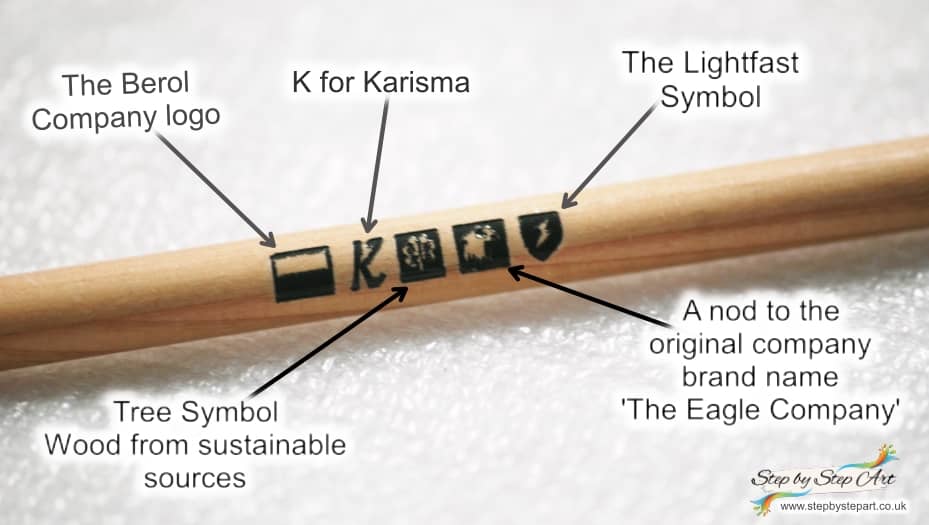
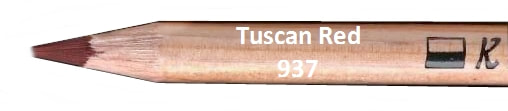
If you own Karismacolor pencils, you may have noticed five distinct symbols stamped on each barrel. While there’s no official documentation explaining their meaning, several of these icons resemble marks used across other well-known pencil brands. The Berol logo and the letter "K" clearly refer to the brand and its Karisma identity. The tree icon is commonly understood to indicate the use of wood from sustainable sources, while the lightning bolt is often associated with lightfastness, but its appearance on Karismacolor pencils predates official lightfast testing, which began in 1991. This suggests it may not have indicated verified performance at the time. Based on industry practice, symbols like this are sometimes applied before formal certification, either as part of aspirational branding or to align with conventions seen on comparable ranges. The eagle’s head is another recurring icon, which appears to reference the original Eagle Pencil Company, the predecessor to Berol. This historical link aligns with branding transitions seen in related product lines. If anyone has verified information about these symbols, please get in touch!
Karismacolor Colour Charts
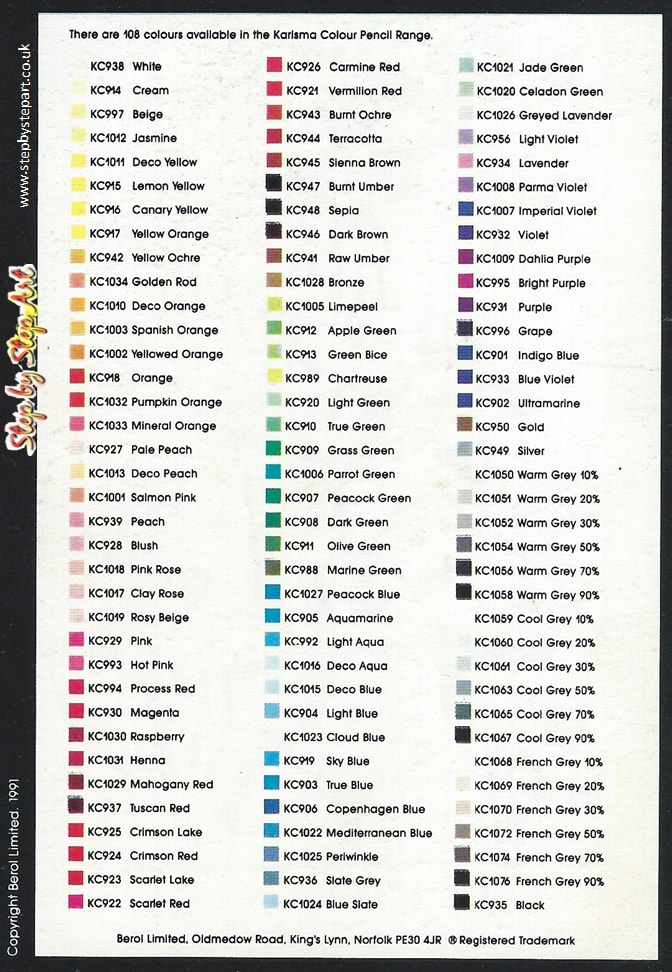
We've accumulated a few Karismacolor colour charts that have been sourced online or extracted from historical promotional materials. Some were dated, but most are not, making it difficult to decipher dates of discontinuations. Two matching colour chart below, one dated 1991, show the expansion of the grey collection at this time. But look closely and you will note that one includes the metallic colours, whilst the other doesn't. It's difficult to know if the metallics had been discontinued by 1991, or if the two colour charts simply show how the sets differed. For those looking to buy a 108-set with the metallics, mean they miss out on the Slate Grey, Deco Pink, Beige, Crimson Lake, Lemon Yellow, Light Green and Marine Green. The discovery of other colour charts will offer additional chances to compare possible adaptations. By the time Sanford purchased the franchise in 1995, the discontinued colours from the original 72-set, were long gone, along with the three metallic pigments: purple, rose and jade. A Sanford Karismacolor 108-colour chart is available to download for free from our Ko-fi shop. Over the coming days, we’ll also be adding a 129-colour hand-made version as a purchasable digital download. To access your copy, simply log in or create an account.
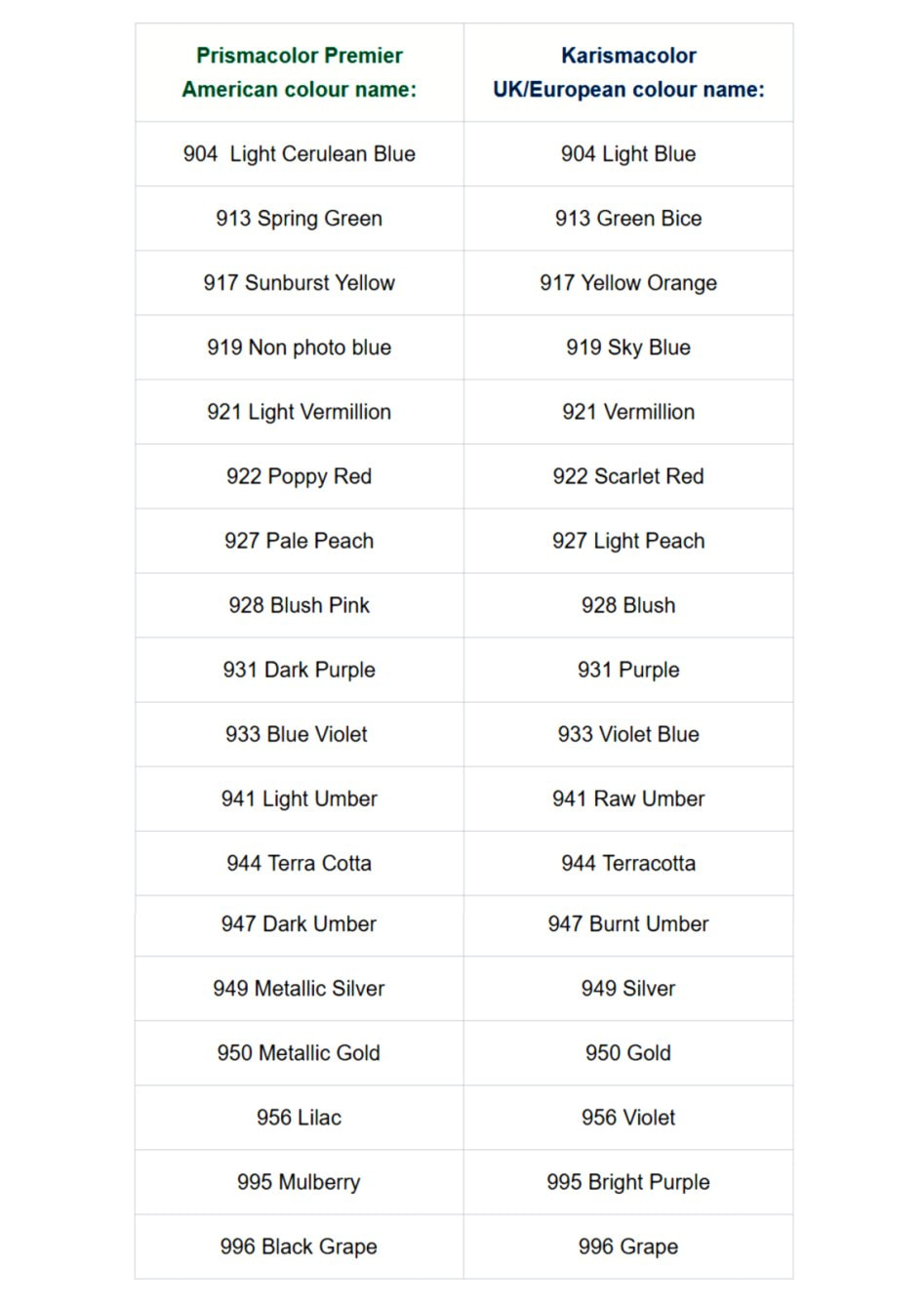
It's also worth noting that some Prismacolor pencil names varied between American and European versions, despite sharing identical pigments and numbers. The reasons aren’t always clear, but they may include regional marketing choices, cultural associations, or language preferences. For instance, a name like "Poppy Red" might resonate more in one region than another, or be replaced to better align with local trends. Regulatory or trademark considerations could also play a role, especially if a particular name is already used commercially elsewhere. Ultimately, unless a brand publishes its rationale, we can only speculate.
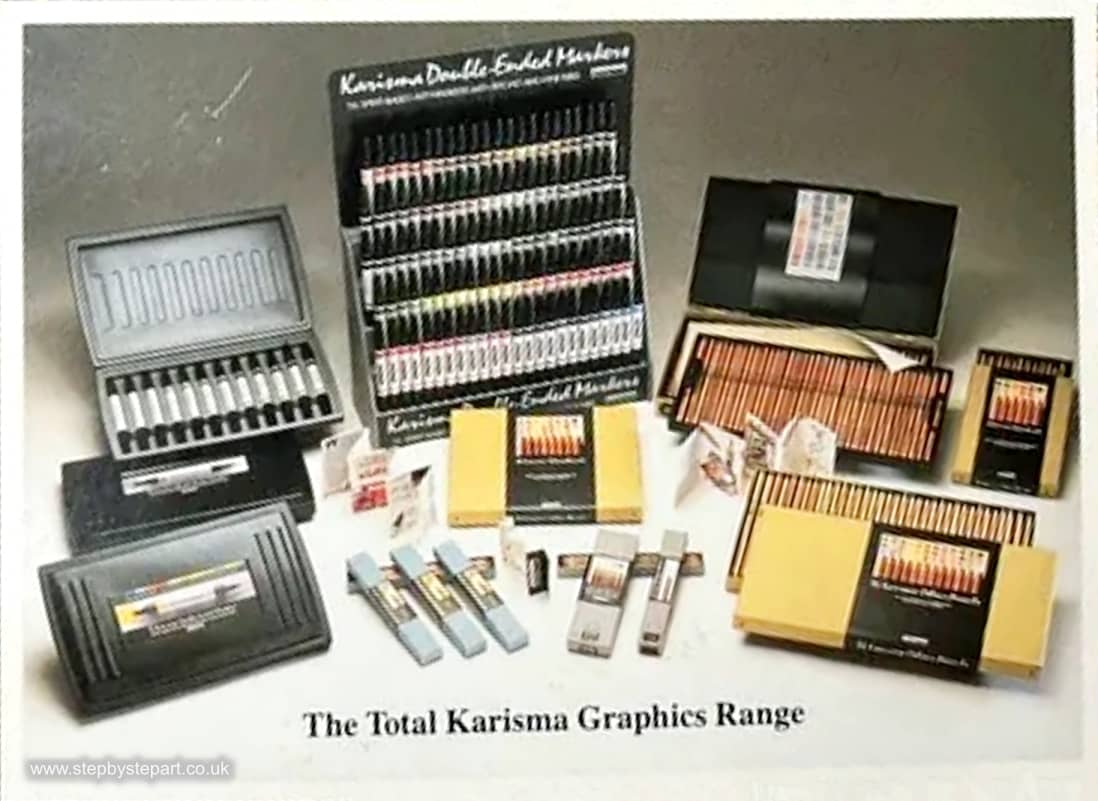
The Karisma Graphics Line
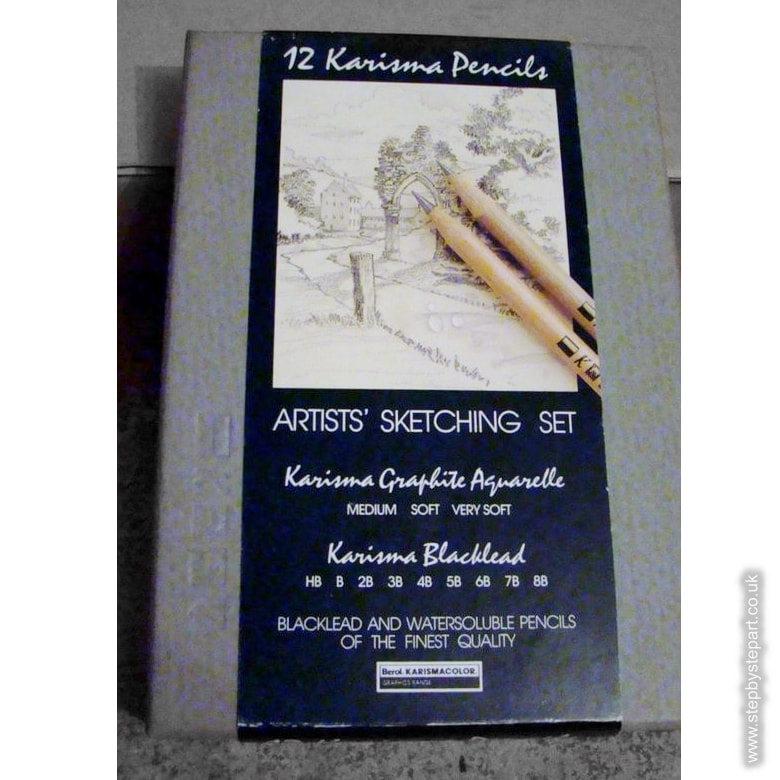
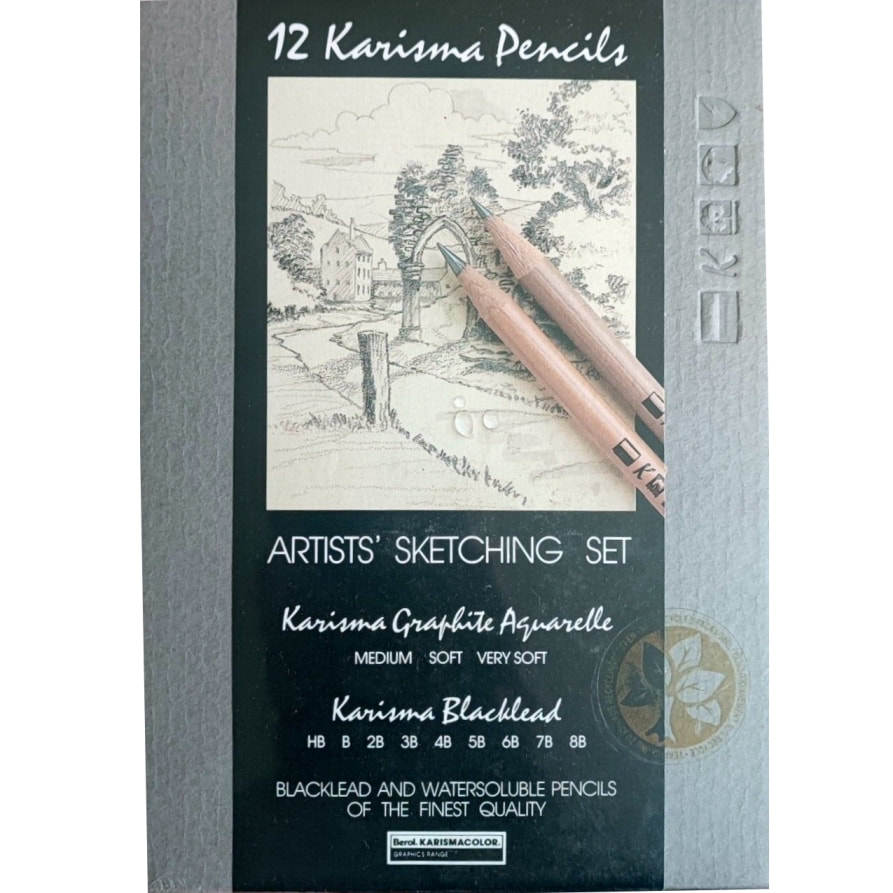
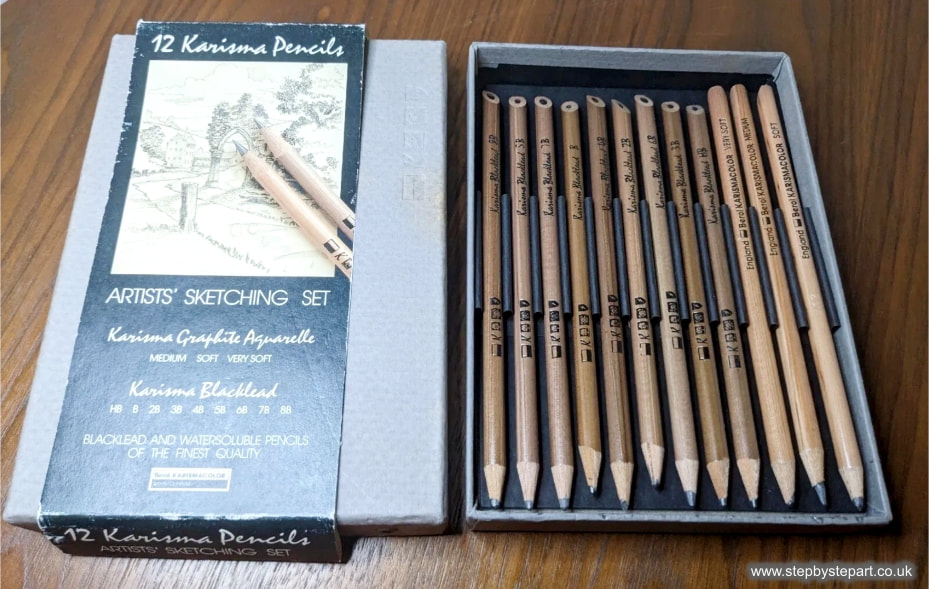
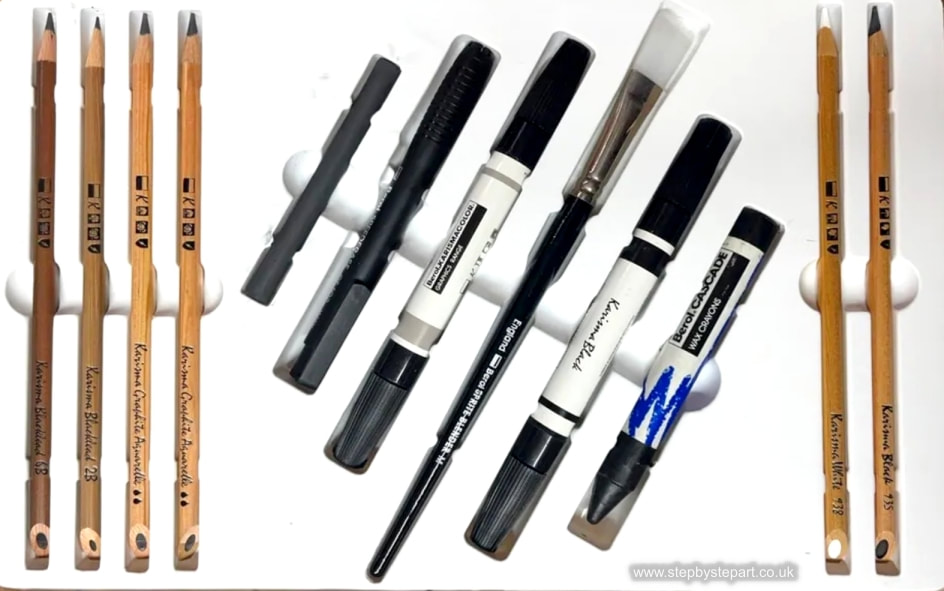
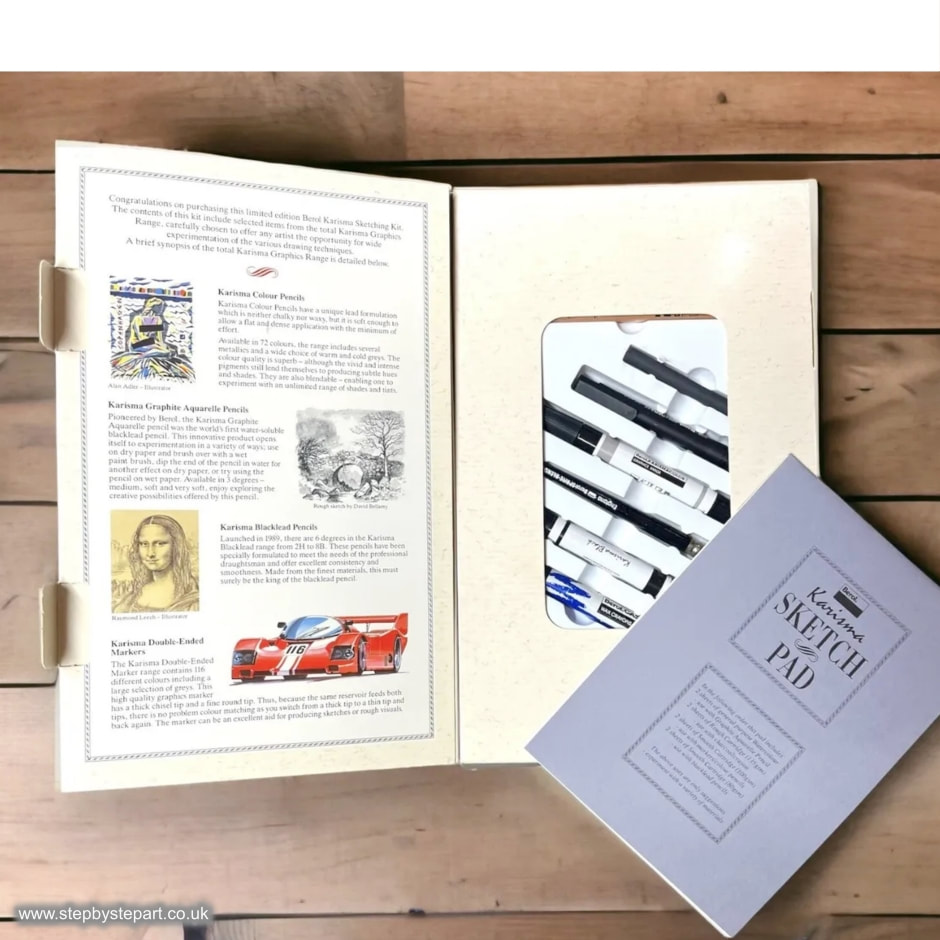
The Karismacolor pencil was part of a range known as The Karisma Graphics range which included the Karismacolor pencil, Aquarelle water soluble coloured pencils and graphite pencils as well as double-ended markers. There were also pastels and acrylic paints marketed under the Karisma brand name. We often visit online auction sites such as eBay to stay up-to-date with Karismacolor pencil prices and available products. During one of our recent searches, we came across a sketching kit from the 1990s. Inside the box, it offered us a specific manufacturing date of the Karisma Graphite Aquarelle pencils, which were produced in 1989 during the Empire-Berol era. As the design of the sketching pencil matches the Karismacolor pencil, it is possible that the Empire-Berol period was when the Karismacolor pencil was first manufactured, although we have yet to find any definitive date.
An advertisement from the 1990s
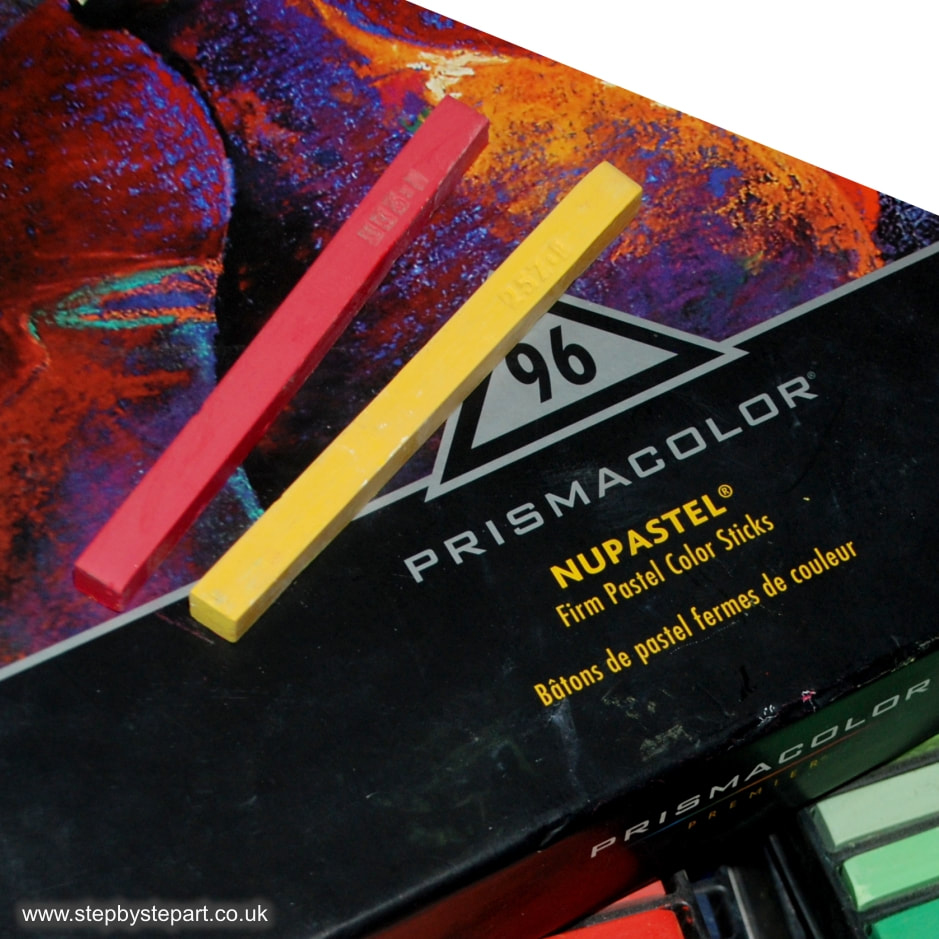
The Berol company produced a variety of products in addition to the Karismacolor pencil. They produced a collection of Karisma products which included the Karisma Graphic range, pastels, and acrylic paints as well as Double-ended markers. The information presented here has been compiled from previous promotional materials and online sources. Once Sanford took over Berol in 1995, they likely discontinued many of these products. However, the Karisma pastels were an exception to this and are still available today under the Prismacolor brand name. They are now known as NuPastels. Newell brands own Sanford and Prismacolor, and the brand name Berol is still used today, although the last factory closed in 2010.
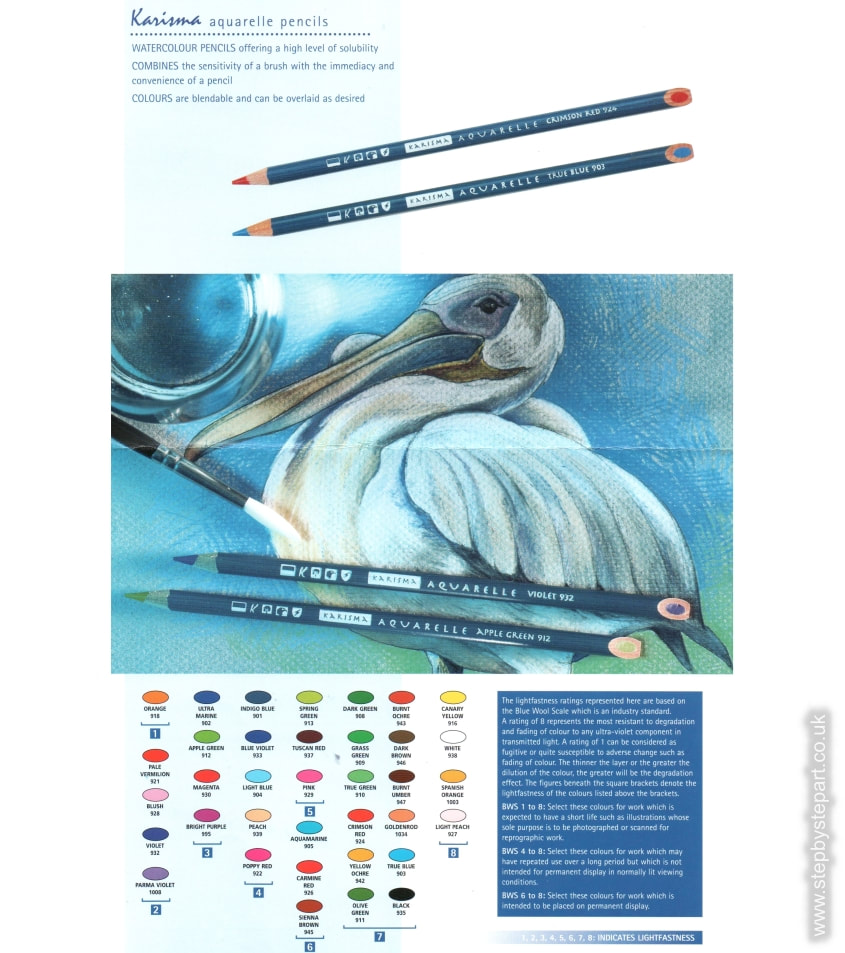
Karisma Aquarelle Watercolour pencils
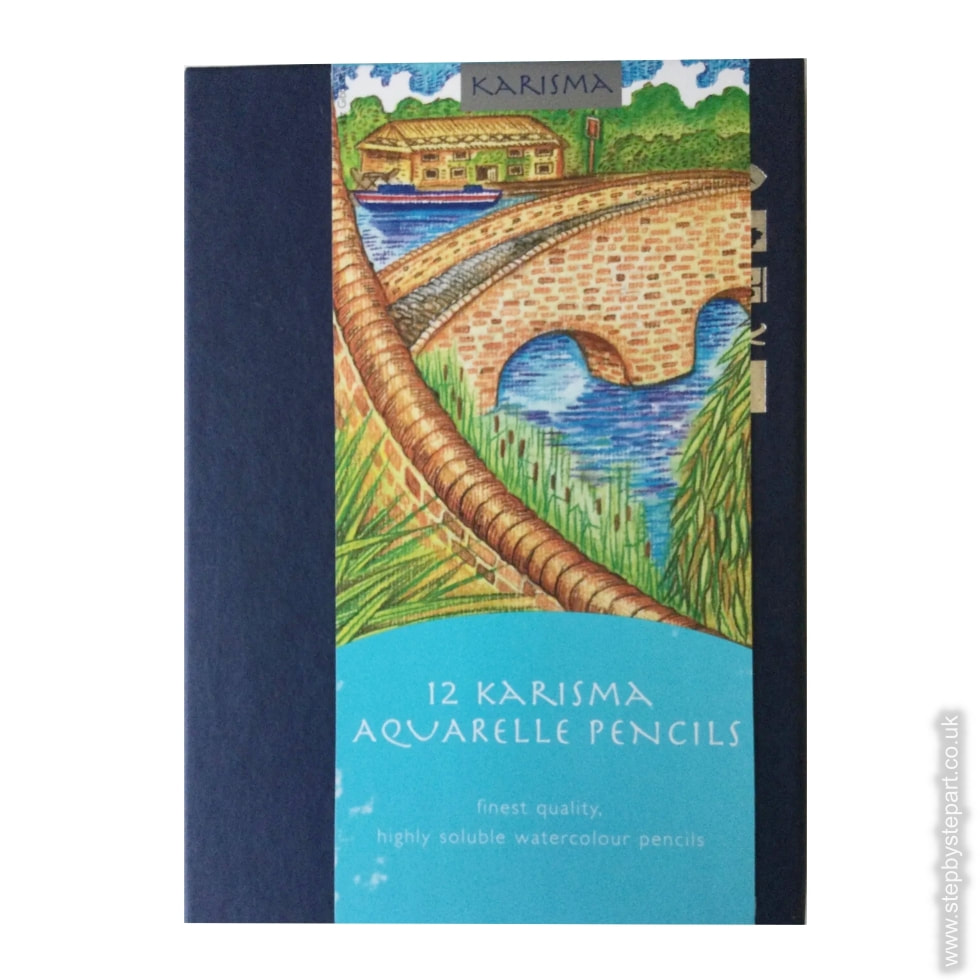
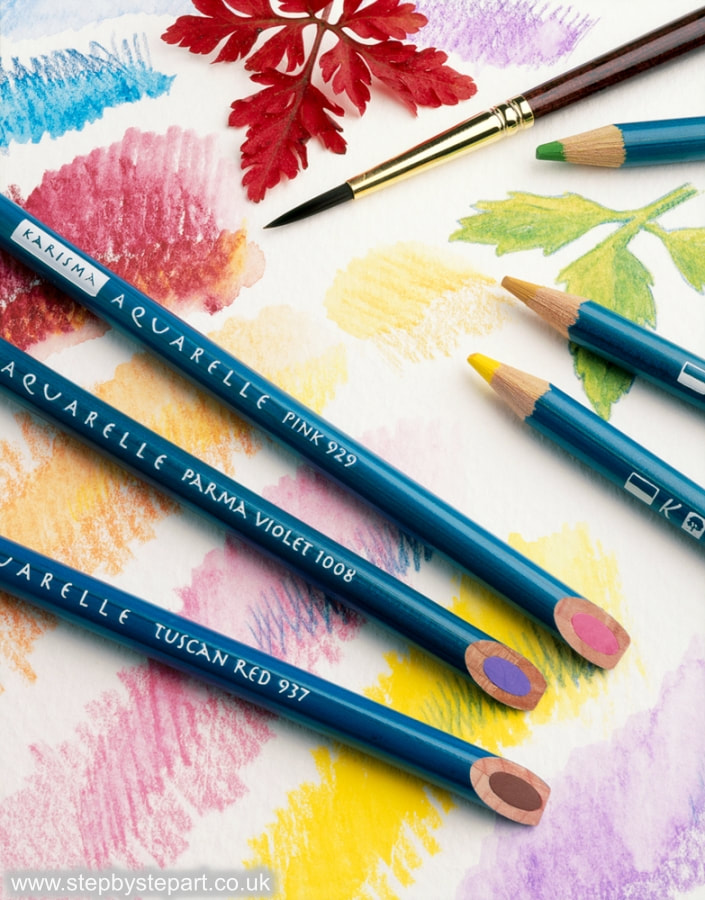
Karisma Aquarelle is a range of artists watercolour pencils designed to combine the balance of power and sensitivity needed by watercolour artists with the immediacy and convenience of the traditional pencil. Karisma Aquarelle is a modern formulation giving a dense flat laydown of colour. The pencils are highly soluble which means that original strokes can be brushed out to be less visible, yielding more of a watercolour than a pencil drawing where desired.


These were sold in box sets of 12, 24 and 36
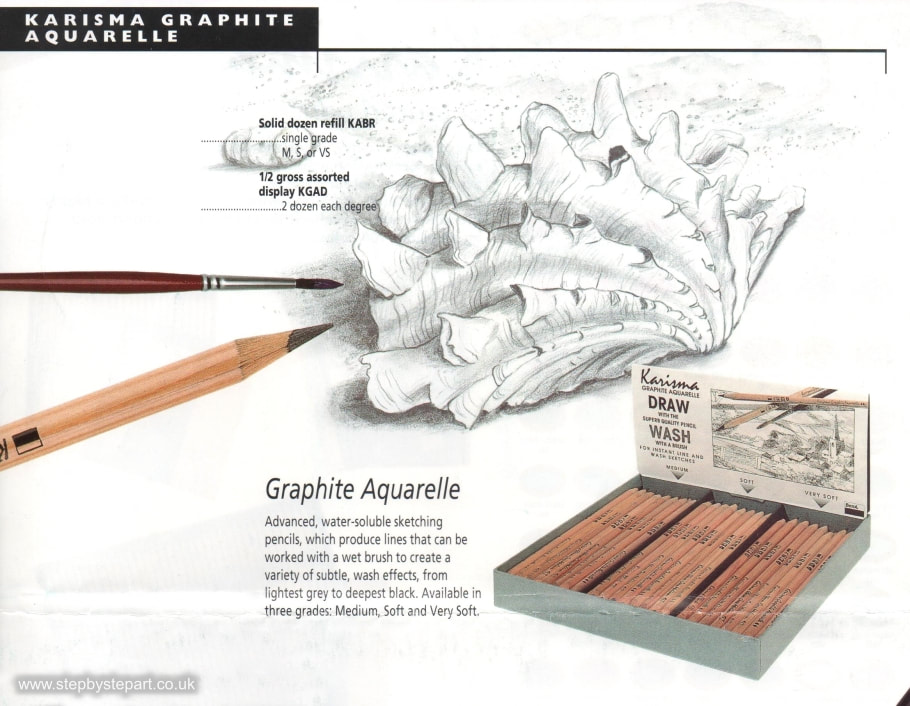
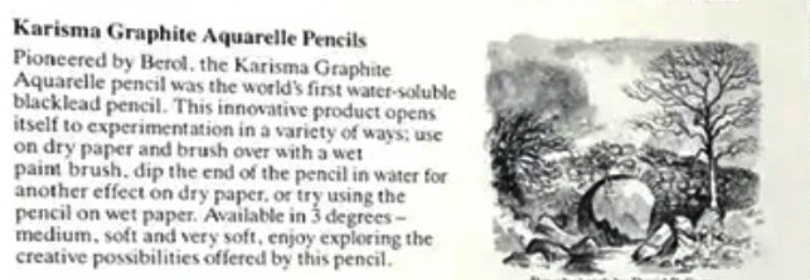
Karisma Graphite Aquarelle water-soluble sketching pencils
Artists water soluble sketching pencils which produce lines that can be worked with a wet brush to create subtle watercolour effects from lightest grey to deepest black. Karisma Graphite Aquarelle pencils are ideal for sketching and quick studies outdoors or where preparatory work for a larger piece is required. The pencils are also very good for using with a permanent pen for ink and wash drawings. Use the pencils to lay in areas of tone and wash over with an artist's brush and water then highlight detail with the permanent pen. Available in three grades: Medium, Soft and Very Soft.
The Karisma Graphite Aquarelle pencils were first manufactured in 1989 during the Empire-Berol era.
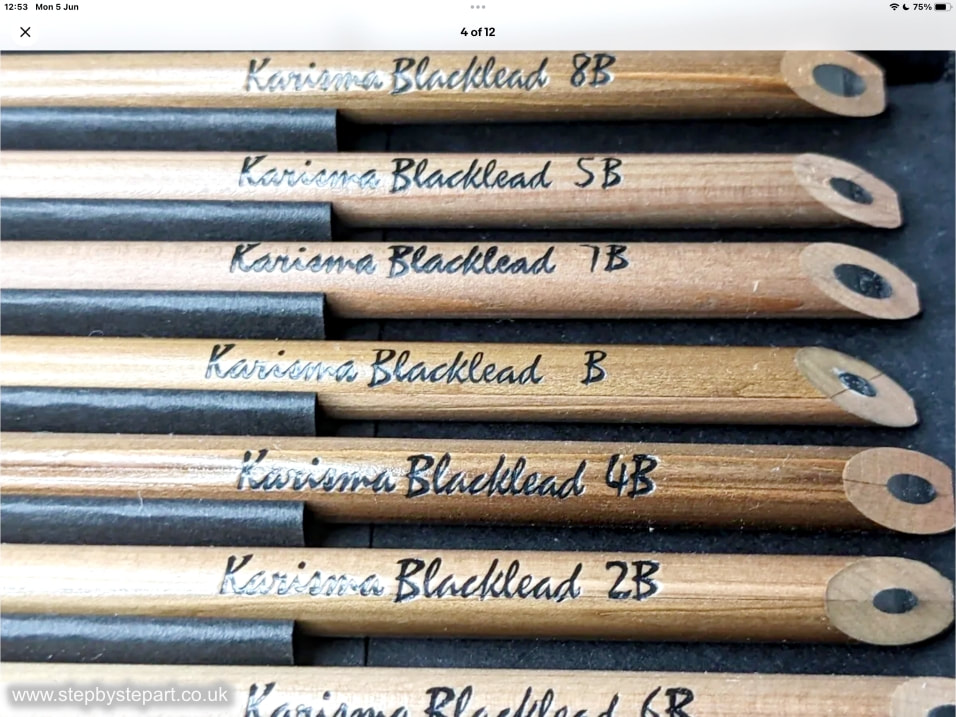
Karisma Blacklead Graphite pencils
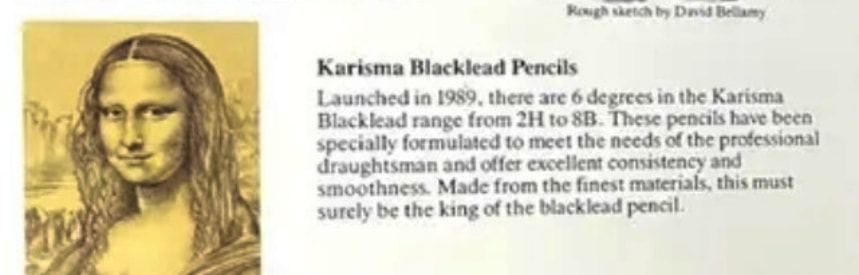
Launched in 1989, the Karisma Blacklead pencils are specially formulated for the artist and designer. There are 6 degrees in the range from 2H to 8B. They provide a range of tones from the subtlest and most delicate shading through to a dense bold application. The pencils are high quality graphic tools, manufactured to meet the demands of the discerning professional artist.

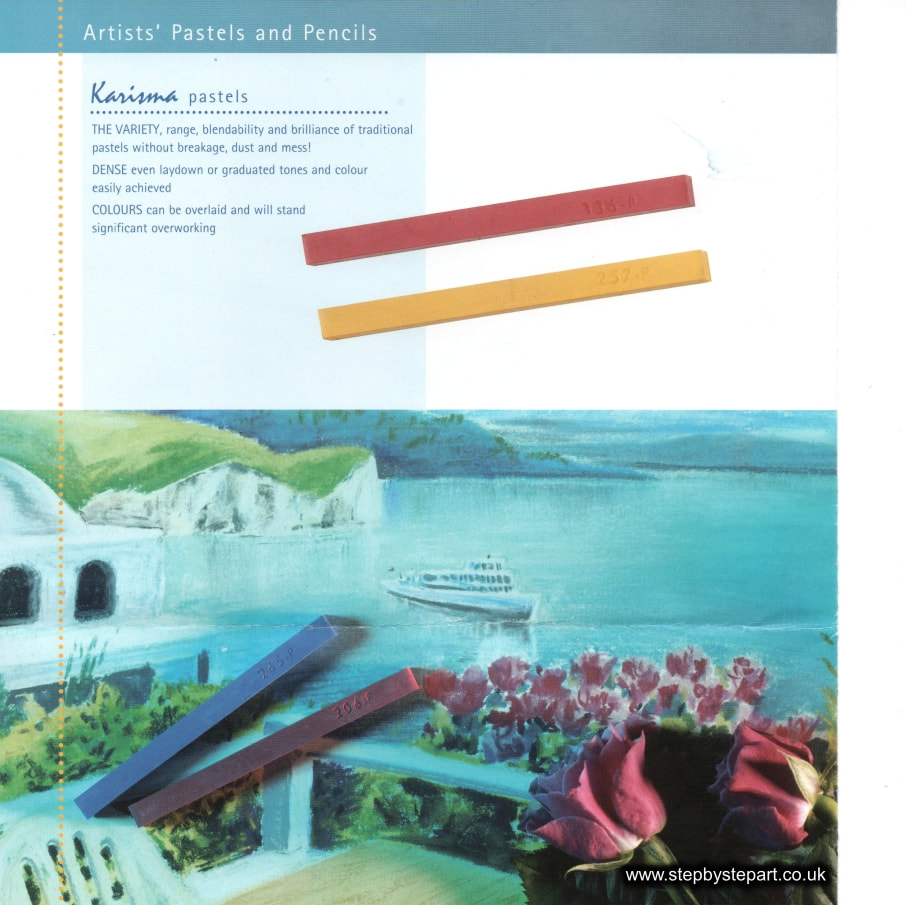
Karisma Pastels
The variety, range, blendibility and brilliance of traditional pastels without breakage, dust and mess! Dense even laydown or graduated tones and colour easily achieved. Colours can be overlaid and will stand significant overworking.
The Karisma pastels were sold in 12, 24, and 36 sets. In January 1999, promotional materials featured two pastels with code numbers 257-P and 336-P, still available today under the brand name NuPastels from Prismacolor. Today there are 96 colours. Click the link to learn more about the NuPastels.


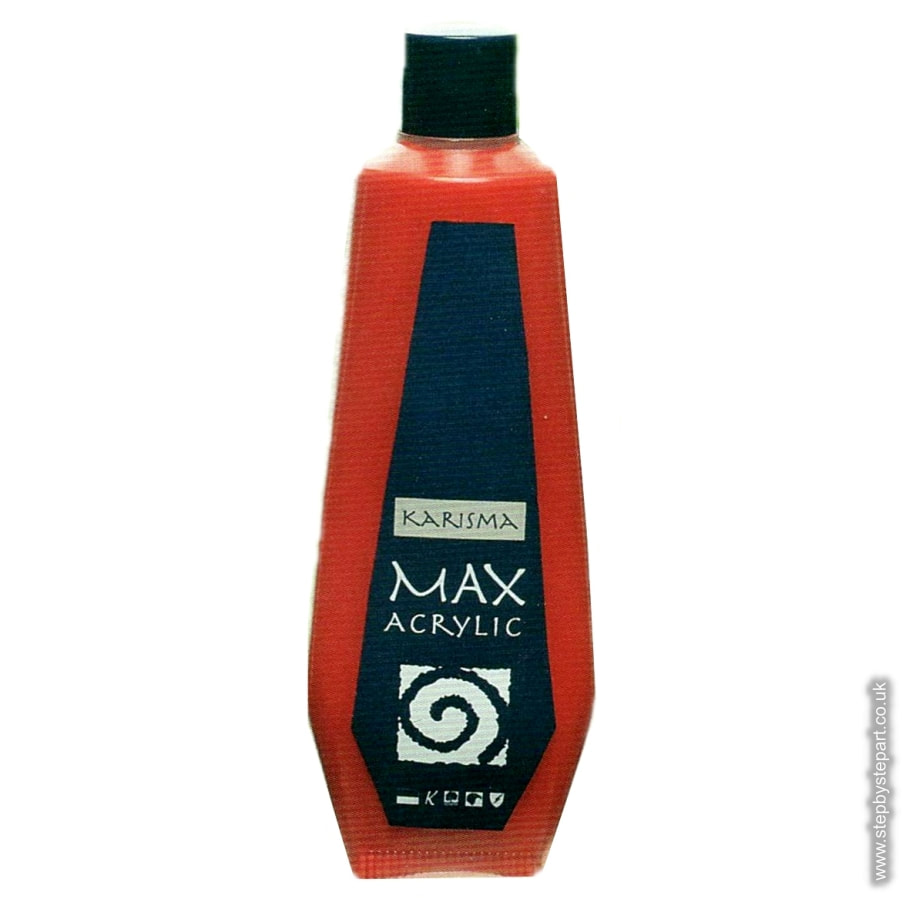
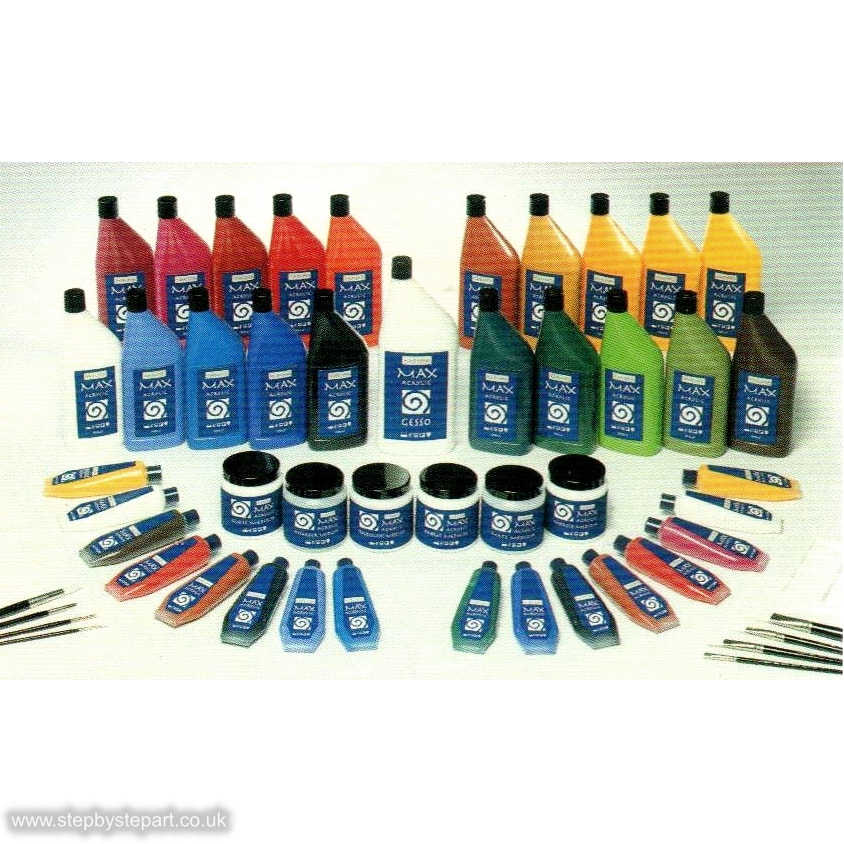
Karisma Max Acrylic Paints
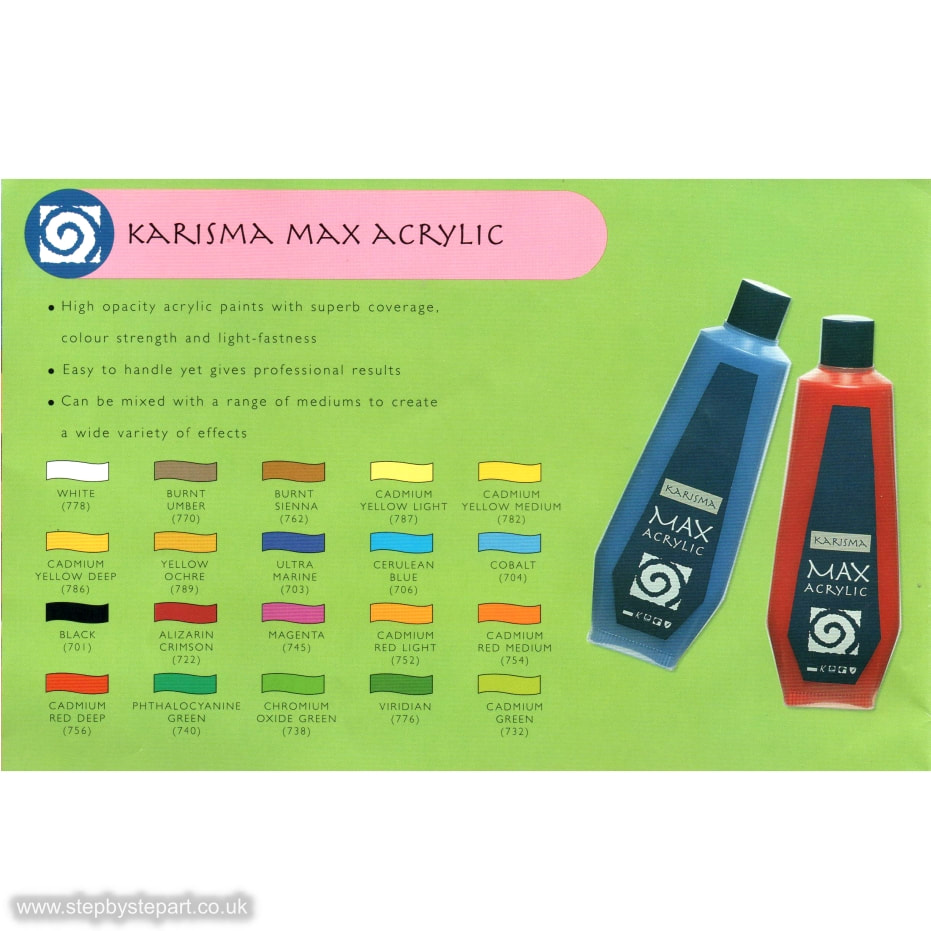
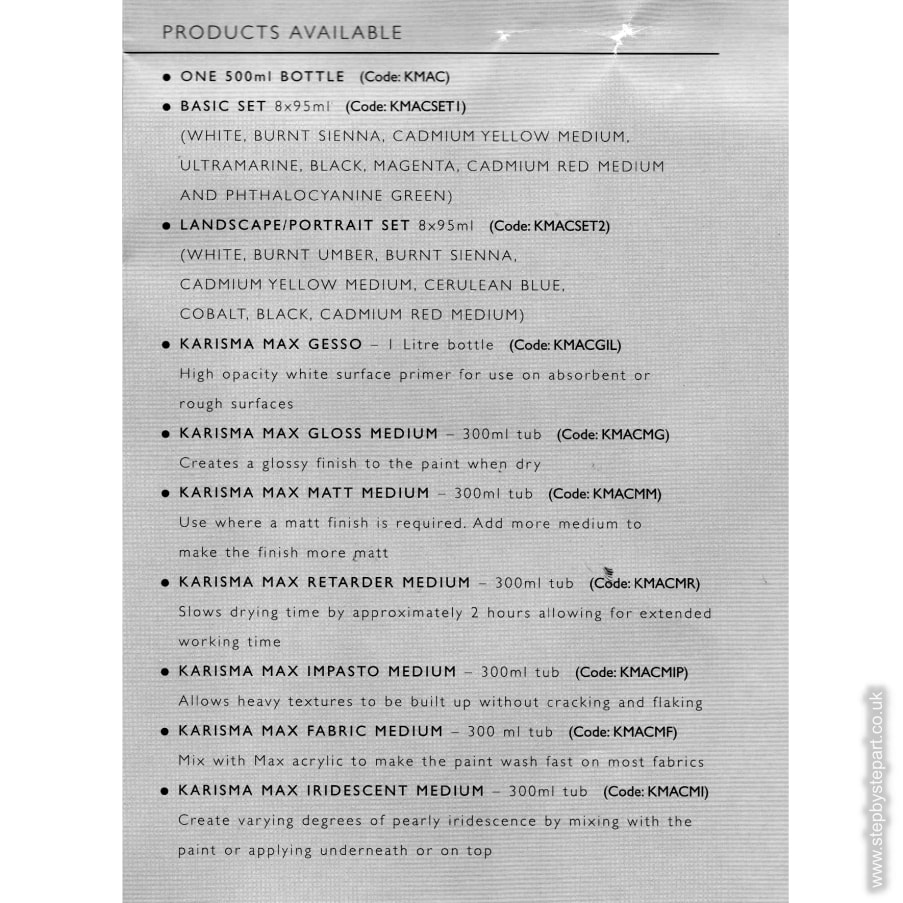
Prismacolor has never had acrylic paint as part of its product range. However, Berol may have developed an acrylic range specifically for the European market and sold it as part of the Karisma collection. The Karisma Max acrylic paint line may have been intended for student use based on its limited colour range of only 20 hues. Unfortunately, there is no information available online regarding this product. The only link discovered is an image on a website featuring a discontinued Berol watercolor paint that shares a similar bottle design with Karisma Max. If you have any knowledge about this product line, please get in touch with us.
High opacity acrylic paints with superb coverage, colour strength and lightfastness. They are easy to handle yet gives professional results. They can be mixed with a range of mediums to create a wide variety of effects. Available in 20 colours. Sizes: 95ml bottle, 300ml tub, 1 Litre bottle.
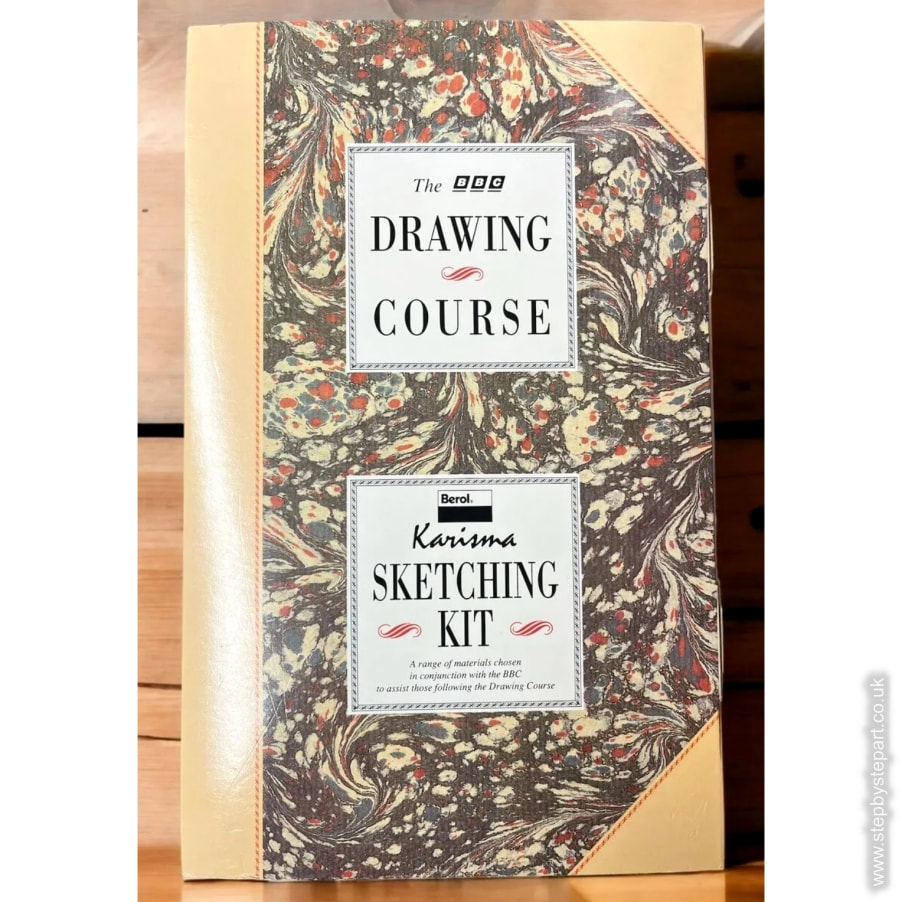
Karisma Sketching Kit - The BBC drawing course
We often visits online auction sites such as eBay to stay up-to-date with Karismacolor pencil prices and available products. During one of our recent searches, we came across an auction for a Karisma sketching kit named 'The BBC drawing course' from the 1990s. The kit contained a variety of products from the Karisma Graphics range, along with a sketch pad. We're curious about the collaboration between Berol and the BBC that led to the creation of this set. If anyone has any information about it, please feel free to get in touch.
A Final Note on Accuracy and Historical Context
A pencil brand that is part of a company with a 100-year history, and having changed hands several times before the explosion of the Internet, means that the Karismacolor pencil and its history have never been documented online. However, the lack of documentation makes information about the brand scarce. To ensure accuracy, we collaborated with a Karismacolor collector and researched the Prismacolor pencil's history. While we cannot guarantee the accuracy of all information due to the absence of digital records, we have made every effort to narrow down the information and provide plausible guesses where necessary. We welcome additional data from sources who may have it. We remain committed to providing the most comprehensive online guide to the Karismacolor pencil.
|
Berol Karismacolor pencils, discontinued in 2005, are unlikely to be vegan-friendly due to the probable use of animal-derived waxes, such as beeswax or tallow, in their core, consistent with the non-vegan composition of their US counterpart, Prismacolor. While many pigments in coloured pencils are typically vegan, no records from Berol or Sanford confirm plant-based binders, making these pencils non-vegan by default, aligning with industry standards of the era. |
Last updated: July 2025