|
If you are an artist who cares about the longevity and preservation of your work, you might have heard of the terms “acid-free” and “archival” when it comes to paper quality. But what do they mean, and how do they affect your art? Let's take a look.  Acid-free paper is paper that has a neutral or alkaline pH, meaning it does not contain any acids that could cause deterioration or discoloration over time. Acid-free paper is more resistant to yellowing and fading, and it is better for the environment. Archival paper is paper that meets certain standards of permanence and durability, in addition to being acid-free. Archival paper should also contain no groundwood or unbleached pulp, meet strict limits on metallic content, and be free from optical brighteners, which artificially make the sheet whiter. Archival paper is often made with 100% cotton, which is considered to be the most stable and pure cellulose fiber. Acid-free paper is not necessarily archival, and archival paper is not necessarily acid-free. For example, an acid paper with buffers added could still deteriorate or yellow if the acid remaining in the sheet or formed during aging exceeds the buffering capacity. Conversely, an alkaline paper without any buffers could become acidic over time due to environmental factors.
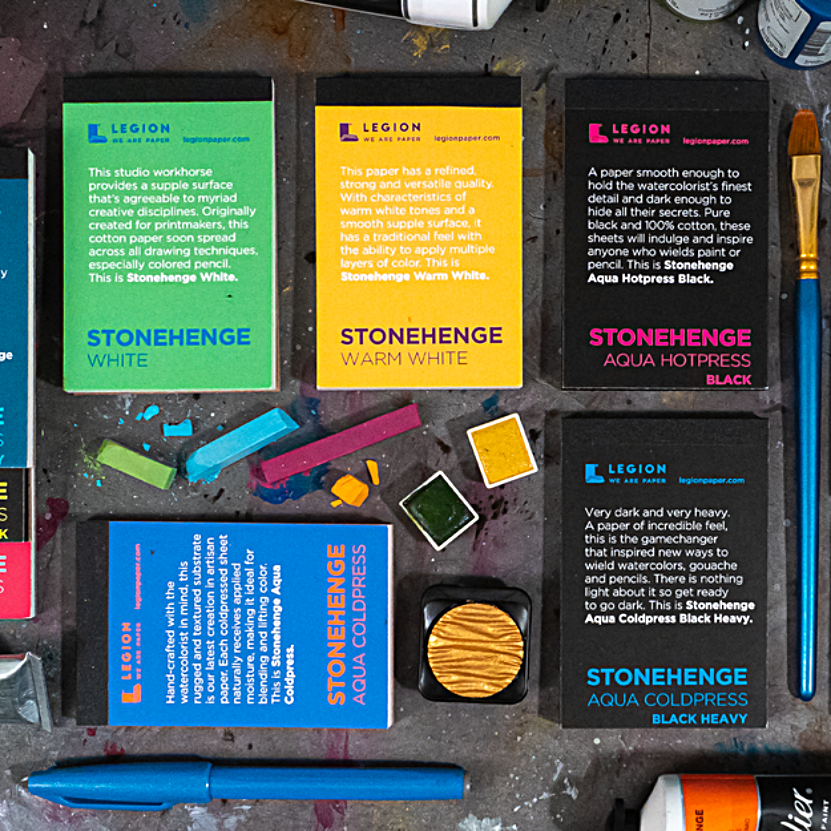
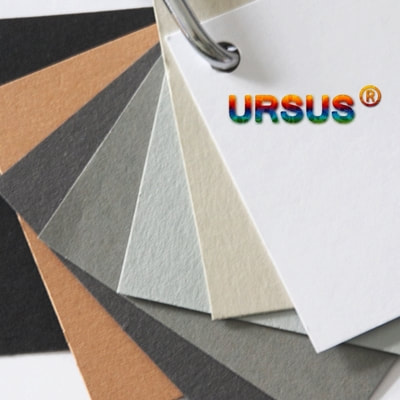
Most papers that have archival properties were originally designed for use in printing. However, certain papers, like Stonehenge, have gained popularity among coloured pencil artists due to their archival qualities. Archival papers are known for their lightfastness, which is typically assessed using the "Blue Wool" scale. This means that these papers do not fade over time or experience significant fading compared to non-lightfast papers. Conversely, non-archival papers like the Ursus line, are acid-free and can still be protected in various ways. If you intend to frame your artwork, it is advisable to use UV-protected or museum-quality glass as a means of safeguarding the artwork. Although this option may be more expensive, it provides the assurance of long-term protection. Did you know? If you cover the entire surface using lightfast products, the underlying material is protected from direct exposure to light. Lightfast products are designed to resist degradation when exposed to light, significantly reducing the rate of fading. However, it’s important to note that no product can completely eliminate fading, especially under intense or prolonged exposure to light. Regular maintenance and care are still necessary to preserve the appearance and quality of the surface. Advice for caring for your archival and acid free paper
The term “archival” is not regulated or standardised, and different manufacturers and archivists may have different definitions and criteria for what makes a paper archival. Therefore, it is important to check the specifications and certifications of the paper before buying it, and to look for reputable brands and sources.
What’s your favourite type of paper for your art? Do you go for acid-free, archival, or a mix of both? We’d love to hear your thoughts in the comments!
3 Comments
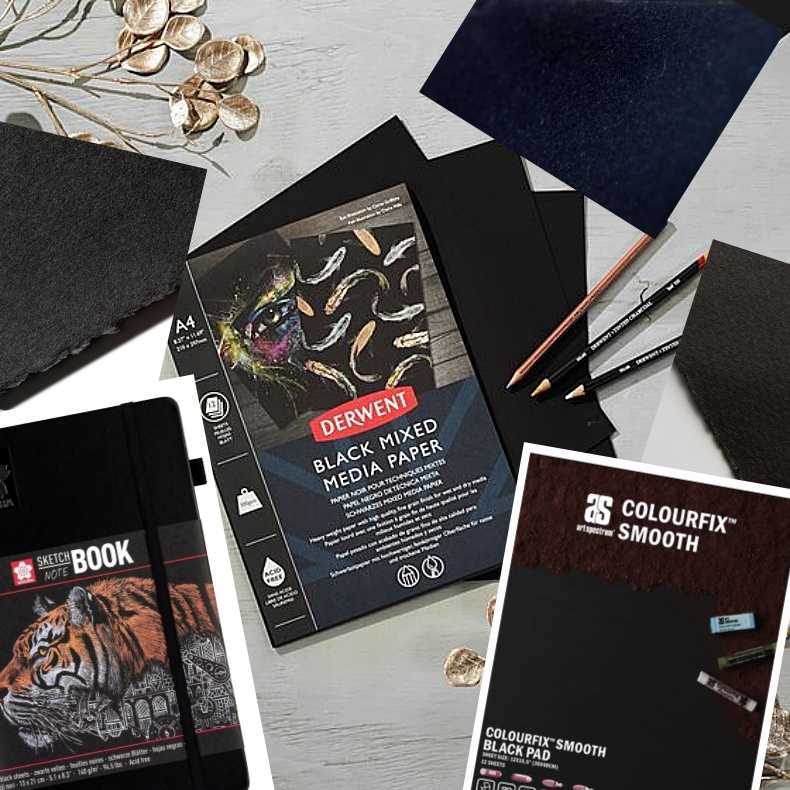
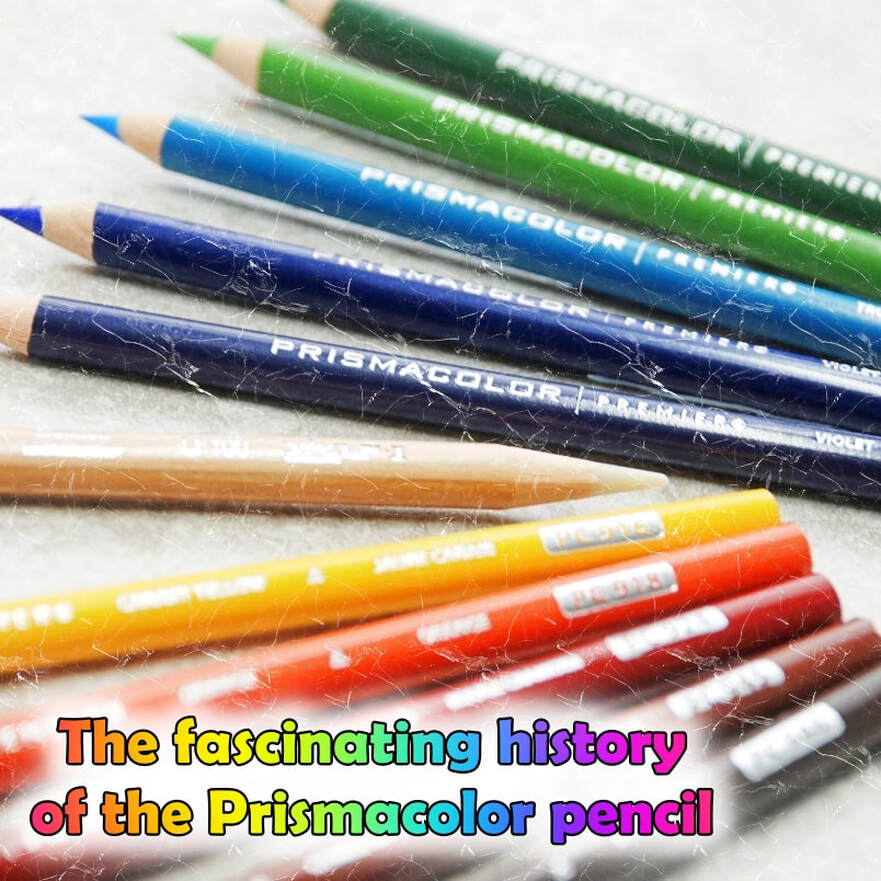
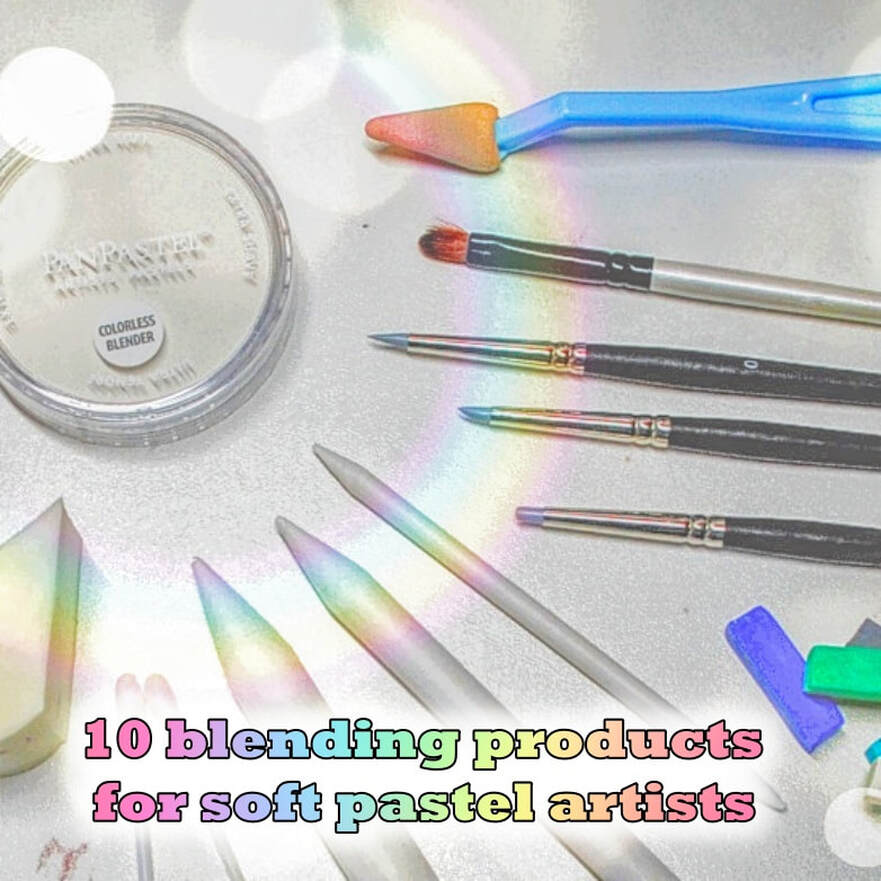
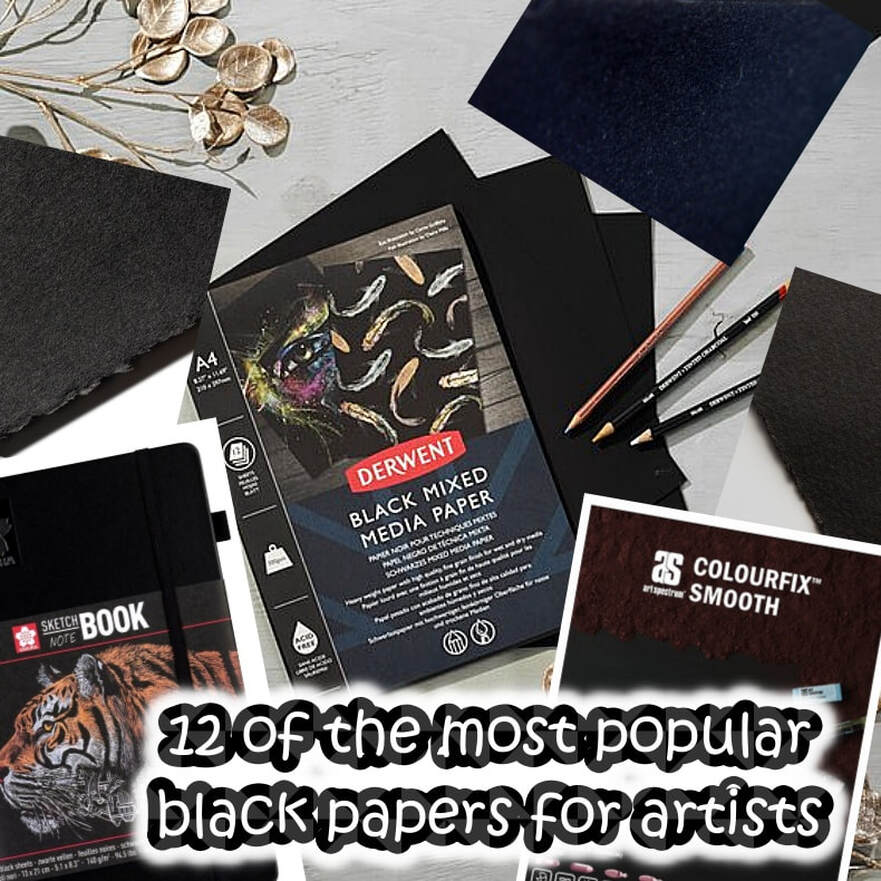
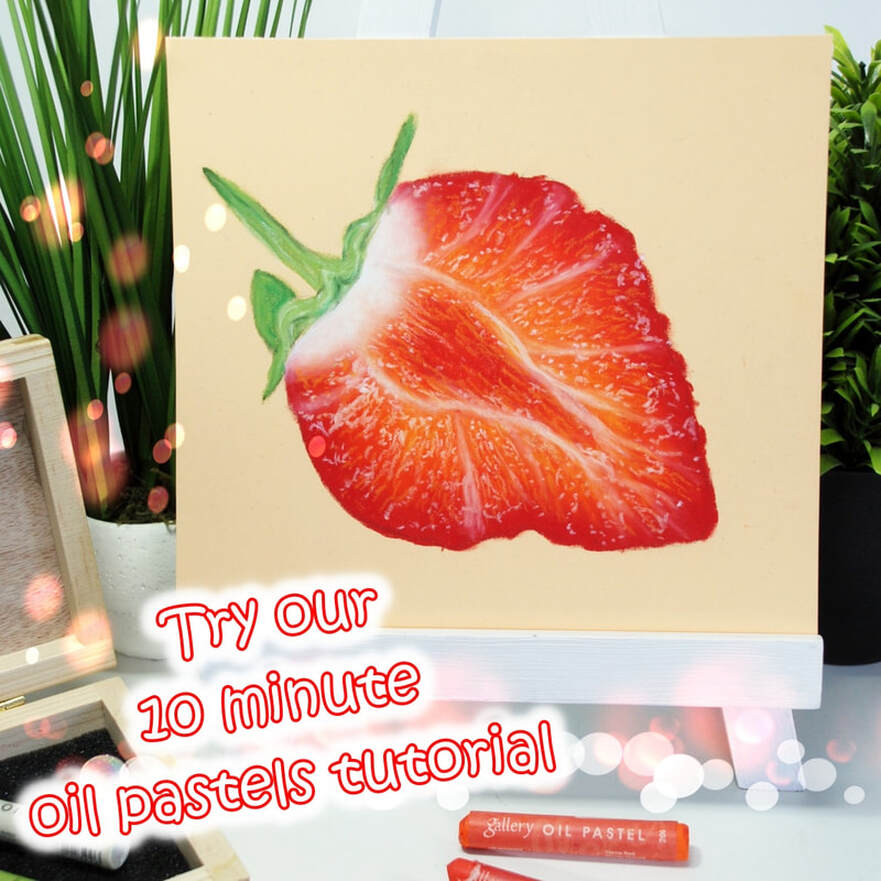
Our newsletter has dropped and we have four new articles, including a brand new medium for our mini tutorials section, the oil pastel. If you haven't tried oil pastels, we would highly recommend you give them a go. Our new tutorial only takes 10 minutes to create a highly effective piece of work, and maybe you will fall in love with the medium too? We certainly love them! We like to cover a different medium or product, in each article, so this quarter, we provide a list of blending tools for soft pastel artists, a selection of black papers for artists who enjoy working on a dark surface. We have chosen various surfaces and brands, suitable for numerous mediums, not just pencils. Finally, we have updated the Prismacolor pencil artist. We really delved deep into the history of these pencils and believe us, these pencils have a great history. They span over a hundred years! We also discuss what these pencils can achieve, as we are aware that they are a favourite of many coloured pencil artists. Click on any of the images below to visit the article and have a read. Why not grab a coffee, as we do throw lots of information into our articles, so we hope you enjoy them. About the Prismacolor pencil |
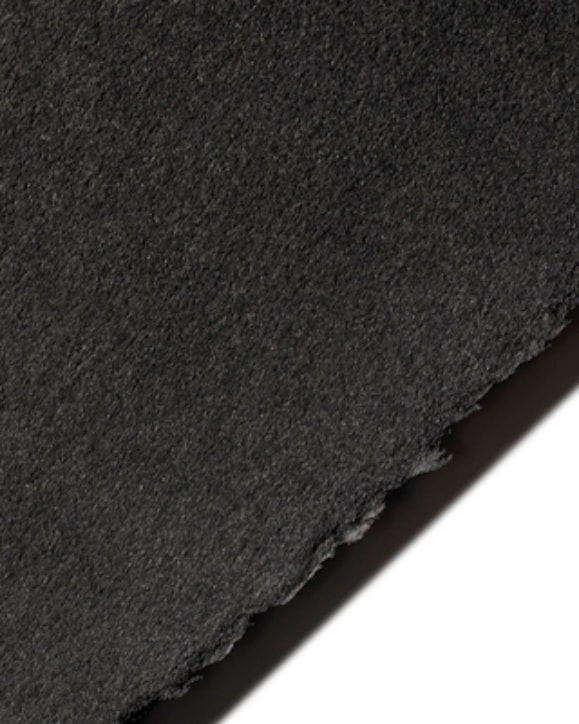
Somerset black
|
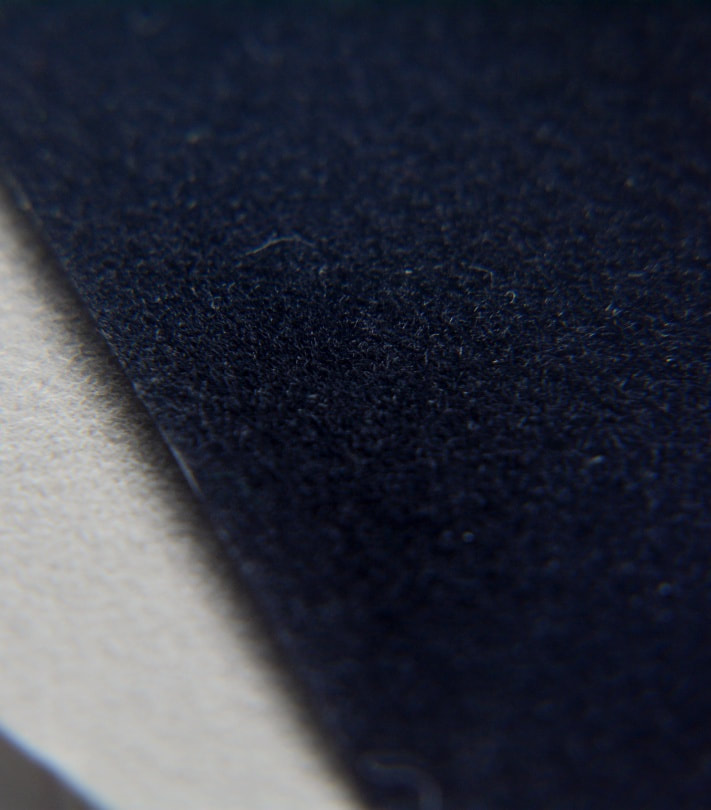
Somerset is a very popular grade of printmaking paper from the historic St. Cuthbert’s Mill in the UK, first introduced in the early 1970’s. In addition to its popularity in printmaking, Somerset found success as a wonderful drawing paper due to its soft handle and supple feel. Made with improved black pigments, Somerset Black has a deep, warm shade combined with a soft velvet surface. The internal structure of the sheet exhibits even darker fibres, which gives dramatic results, especially when laser etched. It is made to archival standards from 100% cotton and is fade resistant to the Blue Wool scale 6+. Mould made from 100% cotton to high archival standards.
Read our Somerset article. Company: St. Cuthbert's Mill
Weight: 280gsm Texture: Velvet (Like NOT surface) Composition: 100% Cotton Suitable for: Pastel, pencil and charcoal. Block/relief printing, embossing, intaglio/etching, hand/stone lithography, laser printing, letterpress and silkscreen/serigraphy. Sizes available: Sheets only (30" x 22" & 30" x 44") Company base: UK Accessibility: Limited suppliers. Vegan: Yes |
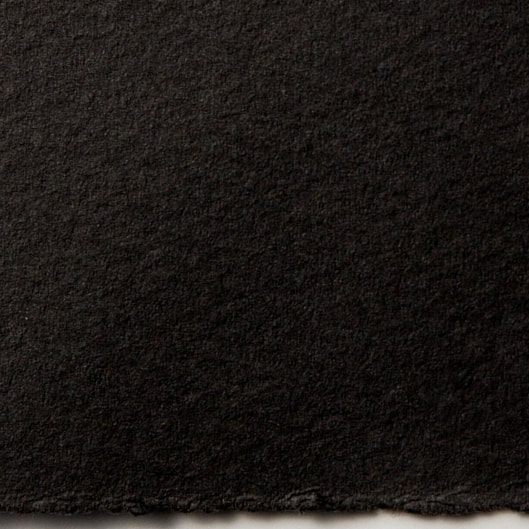
UArt Black paper
|
UART Premium Sanded Pastel Paper accepts a wide variety of wet media for underpainting without compromising or damaging the tooth. The company states that you can add layer upon layer, correcting and creating, without impairing the surface of your artwork. From the toothiest grade (240), which is ideal for blending and layering, to the finer grades that are perfect for delicate and detailed work. You can add layer on top of layer without losing tooth. The abrasive surface eliminates the need for fixatives. The colour of the paper fluctuates depending on which grades you are using: while the 400 & 500 grades provide a rich black texture, the 600 & 800 grades lean towards a dark charcoal colour, as the higher the grade, the smaller the pigments. UART employs a state-of-the-art manufacturing process that ensures a consistent grain application on every inch of the paper.
Read our UArt dark paper article. Company: Uneeda
Grades: 400/500/600/800 (Abrasiveness) Texture: Abrasive Composition: Unsure - This is a sandpaper Suitable for: Pastels, Pencils, Charcoal, Watercolour, and Conté. Accepts all wet media (alcohol, mineral spirits, turpentine, water) for underpainting. Sizes available: Sheets, Mounted boards and rolls. Company base: New York, USA Accessibility: Accessible in various countries Vegan: Yes |
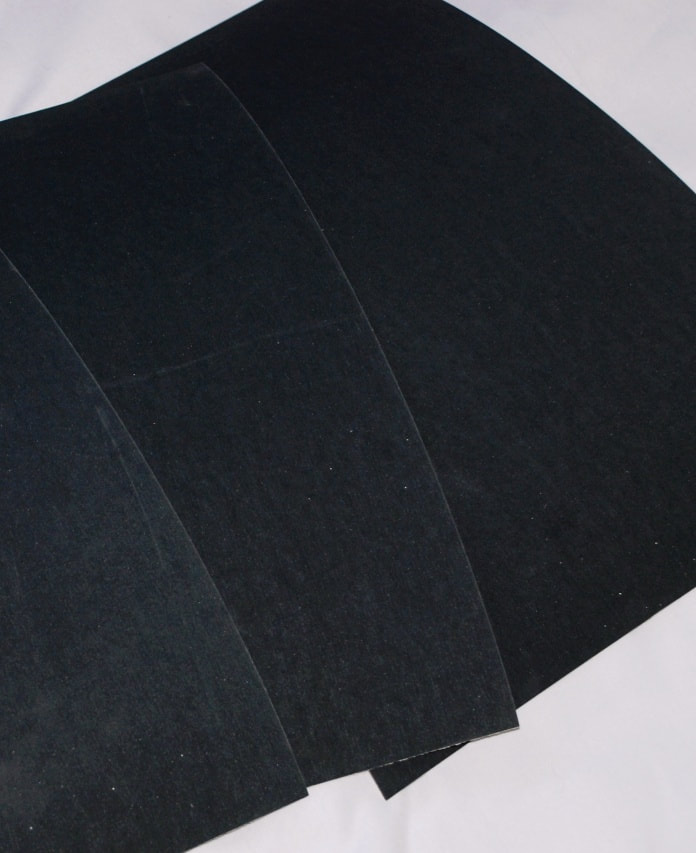
Stonehenge black
|
Stonehenge was created in 1972 specifically as a 100% cotton deckled paper for the printmaking community. Over the years, it has gained worldwide recognition as a paper that works well across a range of other fine art applications. The paper of choice of many members of the Colored Pencil Society of America, Stonehenge has the ability to take multiple layers of wax-based and oil-based coloured pencil without any buildup, allowing colours to penetrate and absorb into the surface of the sheet. Neutral pH and no optical brightening agents (OBA's can cause fading).
Read our Stonehenge article. Company: Legion
Weight: 250gsm Texture: Vellum Composition: 100% Cotton Suitable for: Coloured Pencil, Pen & Ink, Pastel, Charcoal, Watercolour, Hand Lithography, Intaglio, Letterpress, Offset, Relief Printing and Silkscreen Sizes available: Sheets & rolls Company base: USA Accessibility: Easier to access in the USA Vegan: Yes |
Velour pastel
|
Velour paper is an artist quality pastel paper with a velvety texture that grips soft pastel and give them a delicate soft edge. Hahnemuhle Velour is an artist-quality 260gsm pastel paper which is both acid-free and archival. It is composed of an acid-free backing sheet which is coated with inert synthetic fibres. This gives the surface a velvety feel which has sufficient tooth to hold soft pastel, as well as oil pastel, charcoal or soft pencils. Velour can hold a lot of pastel, so it is perfect for painterly pastel artists who create works with soft edges and is particularly suited to pet portraiture.
Company: Hahnemühle
Weight: 260gsm Texture: Texture Composition: Cellulose Suitable for: Soft & Oil pastel, soft pencil, Charcoal and Conté crayons. Sizes available: Sheets and pads Company base: Germany Accessibility: Although not widely available, it is accessible online. Vegan: Yes |
Aqua Stonehenge
|
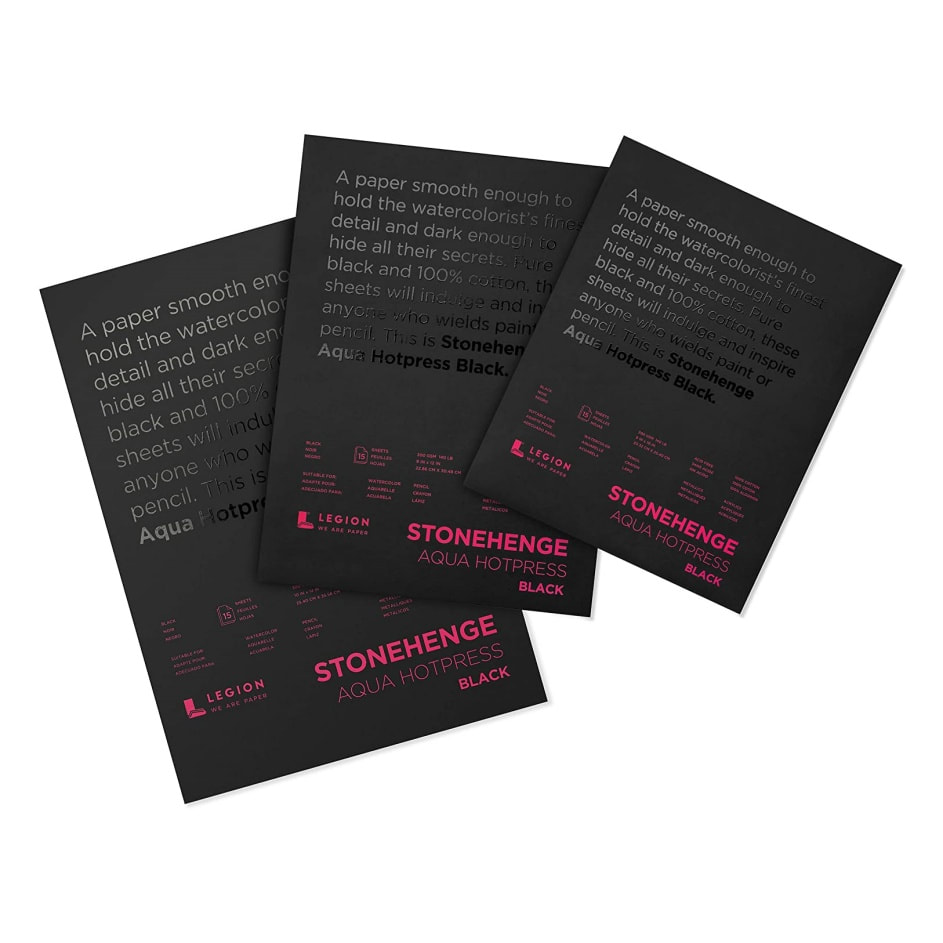
Stonehenge Aqua Black Watercolour paper is a cotton paper with excellent wet-on-wet performance. Paint can be easily manipulated without drying up. Like any other top-quality watercolour paper, it withstands repeated wetting/drying with no damage to the paper. The paper allows for easy lifting and blending and ensures you have excellent control of your colours.Colours won't blur, bleed, or mix in undesirable ways like other black papers can. It holds multiple layers of colour and holds up to masking and scrubbing.
Company: Legion
Weight: 300gsm Texture: Hot pressed and NOT Composition: 100% Cotton Suitable for: Coloured pencils, Pen & Ink, Pastel & Charcoal, Metallic/Interference/Iridescent paint, Gouache, Acrylics, Watercolour, Watercolour pencil, Pigment sticks, Markers, Calligraphy, Intaglio, Letterpress and Silkscreen. Sizes available: Blocks, pads and sheets Company base: USA Accessibility: Available but easier to access in the USA Vegan: Yes |
Colourfix™ black
|
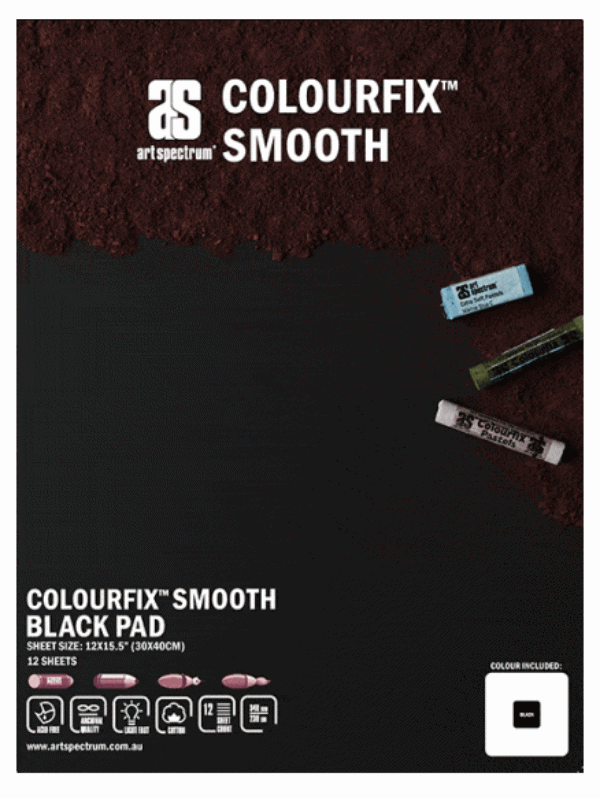
Colourfix papers are sheets of high-quality, archival 300gsm hot pressed European watercolour paper, screen printed with Colourfix Primer. The natural, toothy surface will hold multiple layers of pastel without the need for fixative, allowing the velvet bloom and vibrant colour of pastel to be preserved. Erasing is also easy with Colourfix™ – simply lift off excess pastel with clear adhesive tape, brush off with a dry brush, or use a pencil eraser. Alternatively, errors can be overpainted or areas touched up with the matching colour of Art Spectrum Colourfix™ Primer. The tough, toothy surface can be sanded, scrubbed, soaked and reworked over and over.
Read our Colourfix smooth article. Company: Art Spectrum
Weight: 340gsm Texture: Fine (Smooth), Medium (Original) & Rough (Supertooth) surfaces Composition: 100% Cotton and primer Suitable for: Pastels, oil colours, acrylics, inks, oil pastels, gouache, watercolours and dry media such as charcoal and pencils. Sizes available: Sheets and pads Company base: Australia Accessibility: Available across many countries. Vegan: Yes |
Tiziano pastel paper
|
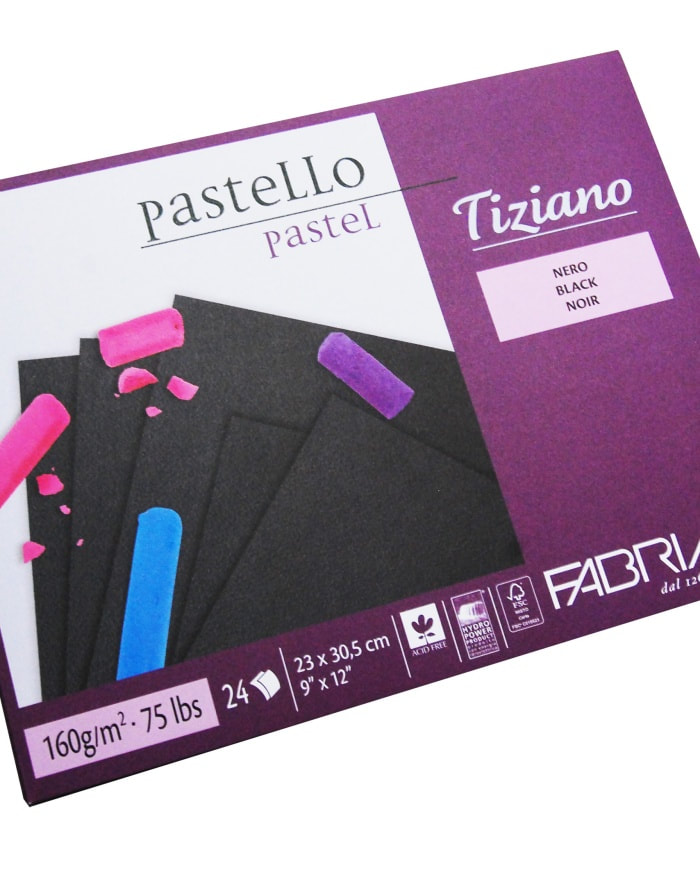
Tiziano is a high rag content, acid-free, pH neutral and with high archival permanence. The colours are highly lightfast. It is a cold press surface, containing cotton. Tiziano is Acid Free, produced with ECF pulp (Elemental Chlorine Free), FSC® certified from forests responsibly managed respectful of environmental, social and economic standards. Particularly suited to soft and oil pastels due to its good pigment uptake.
Company: Fabriano
Weight: 160gsm Texture: Tooth Composition: High rag content Suitable for: Pastel, pencil, graphite, charcoal and airbrush. Can also be used with all printing techniques. Sizes available: Sheets, pads and rolls Company base: Italy Accessibility: Easily accessible Vegan: Yes (Synthetic sizing) |
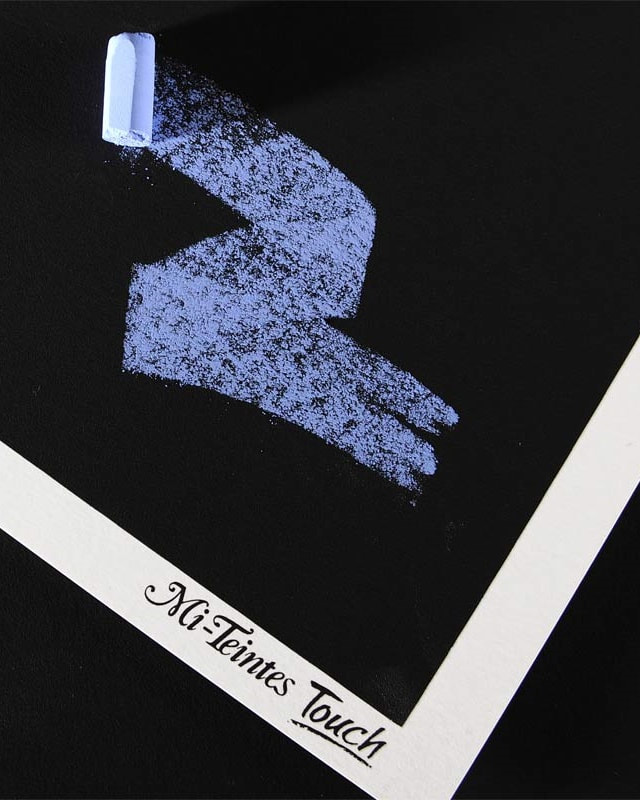
Mi-tientes 'Touch'
|
Canson Mi-Teintes Touch Paper is particularly suited to soft and oil pastels as well as pencil, but is also suited to wet techniques and acrylics. The Touch Paper is micro-abrasive with a finely textured, sandblasted finish. It is lightfast and age-resistant. The innovative surface holds the pigments and creates the possibility of superimposition of colours and colour mixing. Colours are rendered remarkably, and fine details stand out.
Read our Mi-tientes Touch article. Company: Canson
Weight: 350gsm Texture: Abrasive surface (Medium) Composition: watercolour paper and a primer Suitable for: Pastel, sanguine, charcoal, chalk and acrylic. Sizes available: Sheets & Pads Company base: France Accessibility: Not as accessible as its pastel paper Vegan: No. (sized with gelatin) |
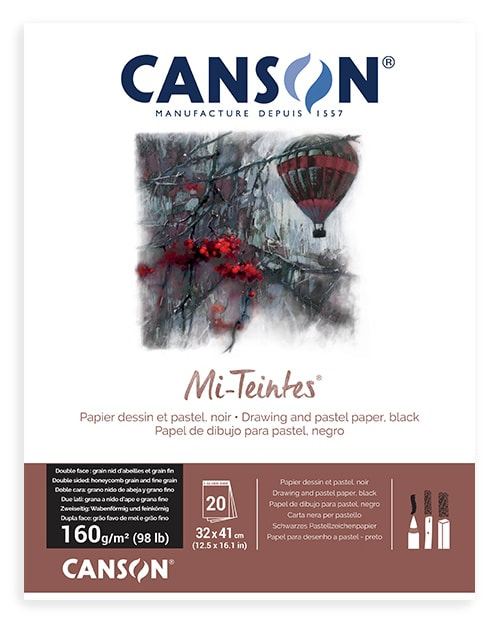
Mi-tientes pastel paper
|
This paper is a pulp-dyed colour paper that contains more than 50% cotton. It has the advantage of having a different texture on either side: a honeycombed side; and fine grain on the other. It has 50 light-resistant tones including the black. Pulp-dyed, colours are light-resistant and its high cotton content makes it both robust and flexible. Complies with ISO 9706 standards on permanence, to guarantee excellent conservation. It is acid-free and has no optical brightness additives (OBA's can cause fading).
Company: Canson
Weight: 160gsm Texture: 2 sided - Fine and Textured (Like NOT paper) Composition: Cotton rag (50% cotton) Suitable for: Pastel, charcoal, sanguine, pencil, even watercolours and gouache. Handicrafts such as folding, cutting, gluing, making cards, etc. Sizes available: Sheets, rolls and pads Company base: France Accessibility: Easily accessible Vegan: No. (sized with gelatin) |
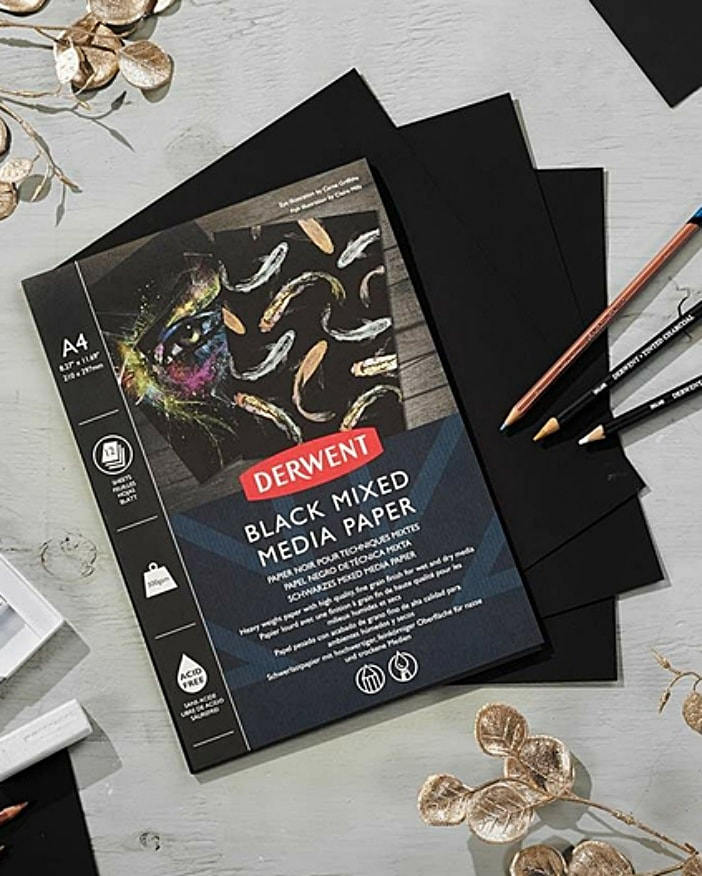
Derwent Black Mixed Media paper (New)
|
The Derwent Professional black paper pad is ideal for creating dramatic art with a variety of media types. This fine grain, smooth paper offers artists a dramatic backdrop that maximises the performance of metallic mediums, including metallic and opaque pencils, paints and inks. The heavyweight 300gsm composition provides a sturdy and reliable foundation of the highest quality for both wet and dry media, differing from other Derwent black paper surfaces that suit dry media only.
Company: Derwent
Weight: 300gsm Texture: Smooth Composition: 100% Recycled Suitable for: Pens, pencils, markers, inks. Wet and dry media. Sizes available: A4 Pad only Company base: UK Accessibility: New product 2022 - Derwent sell their products worldwide. Vegan: Uncertain |
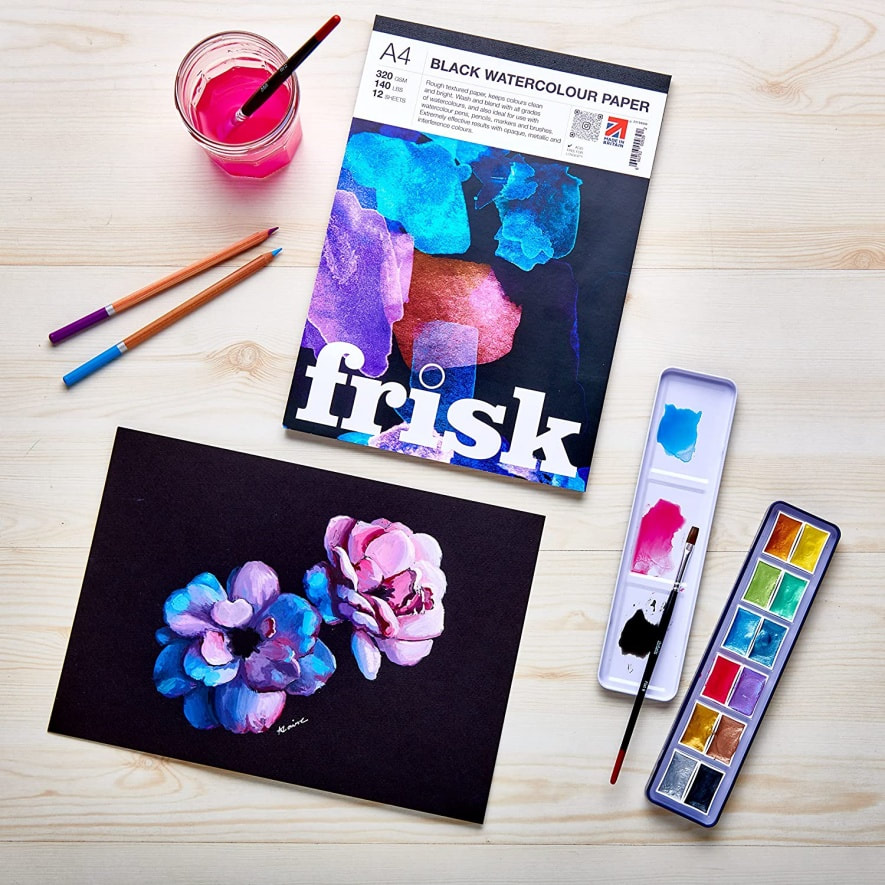
Frisk Black watercolour paper
|
Rough textured paper, keeps colours clean and bright. Wash and blend with all grades of watercolour. Extremely effective results with opaque, metallic and interference colours. Also available as a mixed media pad and a canvas pad.
Company: Artcoe
Weight: 320gsm Texture: Textured Composition: Unsure Suitable for: Watercolour, pens, pencils, markers and brushes Sizes available: Gummed pads (A6, A5, A4, A3) Company base: UK Accessibility: Products sold internationally Vegan: Uncertain |
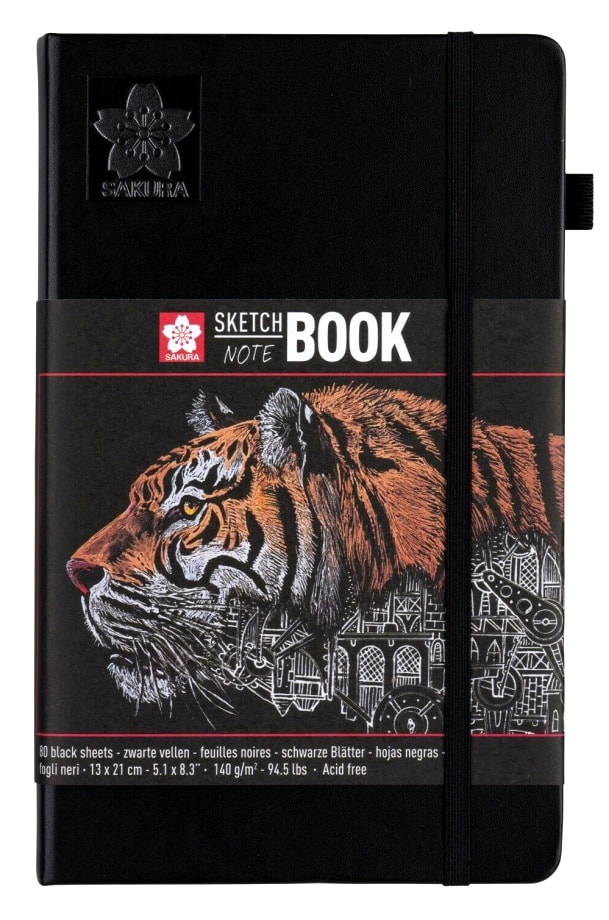
Sakura sketchbook
|
Sakura Sketchbooks and Notebooks are suitable for all ages, and for both experienced and aspiring artists. The hardcover book comes with a pen holder that perfectly fits pens such as the Pigma Micron and Sakura Gelly Roll. In the back of the Sketch notebook, an expandable envelope is included for storing sketches and notes. The elastic closure band ensures the book stays closed and compact when travelling.
Company: Royal Talens
Weight: 140gsm Texture: Smooth Composition: Acid free Suitable for: Ink, pencil, oil pastel & charcoal Sizes available: Notebook only (5 sizes) Company base: Netherlands Accessibility: Accessible online Vegan: Uncertain |
Which black paper surface do you prefer?
What is your favourite black paper not on this list and what medium do you use with it?
Any hints and tips for artists using black paper with a particular medium?
Please share your thoughts and ideas in the comments below, so we can help inspire other artists.
Author
Karen M Berisford
Archives
March 2024
February 2024
August 2023
May 2023
March 2023
February 2023
October 2022
June 2022
May 2022
April 2022
March 2022
July 2021
March 2021
December 2020
November 2020
August 2020
July 2020
January 2020
November 2018
June 2018
July 2017
January 2017
April 2016
March 2016
February 2016
June 2015
May 2015
March 2015
April 2014
December 2011
Categories
All
1 Day Art Workshop
1 Day Graphite Workshop In The UK
2 Day Art Workshop
Accessories For Artists
Acid Free Black Paper
Acid Free Paper
Acid-free Paper
Acid Free V Archival
Acid-free V Archival
Acrylic Articles
Acrylic Panel Board
Acrylic Varnishes
Alkaline Paper
Ampersand Pastelbord
Aqua Stonehenge
Archival Acid Free
Archival Acid-free
Archival Black Artist Paper
Archival Paper
Archivists
Arm Rest
Arm Support
Art Education
Articles On Art
Artist Essentials
Artist Light
Artists Easel
Art Lighting
Art Materials
Art Product Recommendations
Art Spectrum
Art Spectrum Colourfix Smooth
Art Studio Light
Art Tips
Art Tutorials
Arty Articles
Audrey Hepburn Art Workshop
Barn Owl Art Workshop
Battery Powered Eraser
Berol Karisma Pencils
Black Art Paper
Black Art Papers
Black Labrador Art Workshop
Black Labrador Coloured Pencil Art Workshop
Black Labrador In Coloured Pencils
Black Paper Tutorial
Black Rhino Art Workshop
Blenders
Blenders And Burnishers
Blending Soft Pastels
Blending Sponges
Blending Stumps
Blending Tools For Coloured Pencil Artists
Blending Tools For Graphite Art
Blending Tools For Soft Pastels
Blueberries In Coloured Pencil Tutorial
Blue Wool Papers
Brush And Pencil Colored Pencil Powder Blender
Buffers
Canson Mi-tientes
Canson Mi Tientes Touch
Canson Mi-tientes Touch
Caran D'Ache
Caran Dache Full Blender Bright
Caran Dache Luminance Pencils
Carbon Pencil
Carbon Pencils Help
Carbon Versus Charcoal
Cheap Coloured Pencils
Chesterfield Art Group
Chesterfield Art Tutor
Chesterfield Art Workshops
Chromaflow Pencils
Clairfontaine Pastelmat
Colored Pencil Magazine
Colored Pencils
Coloured Pencil Accessories
Coloured Pencil Article
Coloured Pencil Artists
Coloured Pencil Art Kit
Coloured Pencil Mini Tutorial
Coloured Pencils
Coloured Pencils Comparison Article
Coloured Pencils On Pastelbord
Coloured Pencil Tutor
Coloured Pencil Tutorial
Coloured Pencil Workshop
Colourfix Black
Colourfix Paper Review
Colourfix Smooth Black
Colour Shapers
Commission Art
Commission Art Business
Coronavirus
D33200
D33500
Daler Rowney Graduate Acrylics
Daylight Company
Derbyshire Art Workshop
Derwent
Derwent Black Mixed Media Paper
Derwent Blender
Derwent Blender Pen
Derwent Burnisher
Derwent Chromaflow
Derwent Coloured Pencils
Derwent Coloursoft Pencils
Derwent Graphic Pencils
Derwent Graphite Pencils
Derwent Lightfast
Derwent Lightfast And Zest It
Derwent Lightfast On Pastelbord
Derwent Metallics
Derwent Onyx
Derwent Onyx Pencils
Derwent Pencils
Discontinued Product
Dogs Eye In Graphite Pencil Tutorial#
Drawing A Hare
Dust Free Eraser
Embossing Tools
Environmental Paper
Erasing Carbon Pencils
Erasing Shield/stencil
Ergonomic
Ergonomic Arm Rest
Faber Castell Graphite 9000
Faber Castell Pastel Pencils
Faber Castell Polychromos Pencils
Fabriano Tiziano
Fixative Spray
Free Art Tutorials
Frisk Black Watercolour Paper
Frisk Paper
Gallery Oil Pastels
Gelly Roll Pens
Gesso
Gesso Panel
GOLDEN
Golden Polymer Varnishes
Golden Varnishes
Golden Waterborne Varnish
Grahite Lemur Art Workshops
Graphite Artist Help
Graphite Mini Tutorial
Graphite Pencil Accessories
Graphite Pencil Help
Graphite Pencils
Graphite Pencils Article
Graphite Pencils Art Workshops
Graphite Pencil Tips
Group Advertising
Hahnemuhle Velour
HAIYA
HAIYA Oil Pastels
Hare
Hints And Tips
Hot Pressed Watercolour Paper
How To Blend Soft Pastels
Indenting Tool
Inktense Pencils
Inscribe Pastels
Jackson's Art
Jackson's Art Gesso Panel
John Graham Artist
Karen M Berisford
Karen M Berisford Art Articles
Karismacolor
Kingfisher Art Workshop
Kneadable Putty Rubber
Ko-fi
Learn Coloured Pencils
Learn How To Draw With Coloured Pencils
Learn How To Draw With Graphite Pencils
Learn How To Draw With Pastels
LED Lights
Legion Aqua Stonehenge
Legion Stonehenge
Lemur UK Pencil Workshop
Light For Craft Art
Loxley
Loxley Fixative
Lumi Light
Luminance Pencils
Luminance Portrait Colours
Lyra Splender Blender
Mars Black Pencil
Mars Lumograph Black
Mini Art Tutorial
Mi Tientes Black Pastel Paper
Mi Tientes Touch Black Paper
Mi-tientes Touch Black Paper
Mi-tientes Touch Paper
Mono Zero Erasers
Moulin Du Roy
Newbiggin By The Sea Art Workshops
Newbiggin-by-the-sea Art Workshops
Newbiggin-by-the-sea Pet Artists
Northumberland Artists
Oil Paint Articles
Oil Panel Board
Oil Pastel Art
Oil Pastels
PAINT Magazine
Panel Board For Painters
Pan Pastels
Paper For Acrylics
Paper For Coloured Pencils
Paper For Pastels
Paper Quality
Paper Stumps
Pastel Applicators
Pastel Articles
Pastel Blending
Pastelbord
Pastelmat
Pastel Surfaces
Paul Rubens
Paul Rubens Oil Pastels
PDF Art Tutorials
Pencil Art
Pencils For Beginners
Pencil Workshops
Perfection Eraser Pencil
Pitt Pastels
Polymer Varnish Discontinued
Poppy Field Tutorial
Portrait Pencil Palette
Prismacolor Blender
Prismacolor Premier
Rabbit Coloured Pencil Art Workshop#
Rabbit In Coloured Pencils
Red Squirrel
Ring Tailed Lemur Art Workshop
Robin In Coloured Pencils
Royal Talens Sakura Notebook
SAA Article
Sakura Notebook Black Sheets
Sennelier
Sennelier Oil Pastels
Shetland Sheepdog UK Pencil Workshop
Snow Leopard Eye Art Workshop
Soft Pastel Articles
Soft Pastel Help
Soft Pastels Articles
Soft Pastels Tutorial
Stabilo Carbothello Pastel Pencils
Stabilo Pastel Pencils
Staedtler
Staedtler Lumograph
Staedtler Mars
Starting Out With Graphite Pencils
Starting Your Own Art Business
St Cuthbert's Mill Somerset
Step By Step Art Tutorials
Stonehenge Black
Strawberry Art Tutorial
Student Quality
Studio Lighting
Studio Practices
Sumatran Tiger Art Workshop
Tiziano Black Pastel Paper
Tortillions
Uk Art Workshops
Uk Coloured Pencil Workshop
Uncradled Gesso Panel
Uneeda UArt Paper
Unison Pastels
Ursus
Waves In Coloured Pencils
WH Smith Colouring Pencils
Wild Rabbit Art Workshop
Workshop Series
YouTube Channel
Zest It
Zest It Pencil Blend
 RSS Feed